
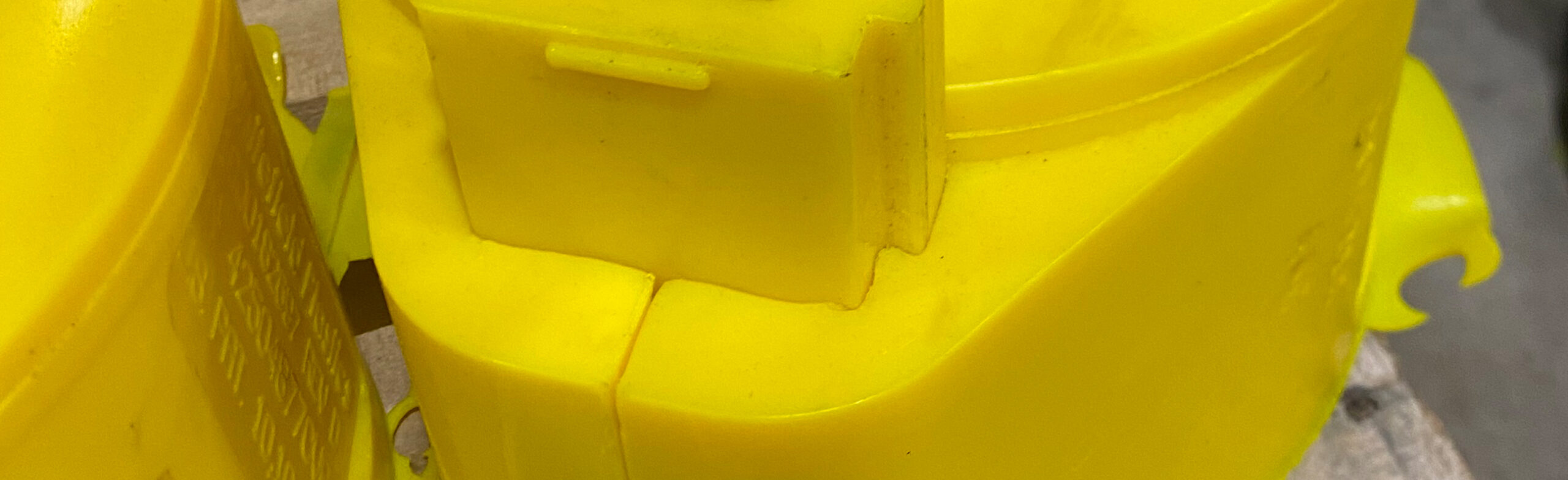
Choosing the right Vertebrae Bend Restrictor (VBR) can impact your install time, crew safety, and long-term maintenance costs. If you’re weighing the pros and cons of bolted vs. boltless VBRs, you’re not alone. Here’s a side-by-side comparison and why boltless may be your smarter option, especially for high-stakes offshore projects.
| Feature | Bolted VBRs | Boltless VBRs (MPC) |
| Installation Time | Slower | Faster (no bolts, no tools) |
| Crew Size Required | More | Fewer |
| Maintenance | Higher | Lower |
| Cost Over Time | Higher labor cost | More cost-efficient |
| Reusability | Moderate | High |
| Lead Time Availability | Varies | In stock options available |
Real-World Results from the Field
A major offshore operator recently made the switch to our boltless clip VBRs for subsea cable installations in the Gulf of Mexico. Their team was able to reduce installation time by over 50% and reported zero field failures after months of operation in harsh subsea conditions.
With no bolts to manage and simplified logistics, boltless VBRs significantly reduce crew time on deck and help keep installation timelines on track.
Why Customers Choose Our Boltless VBRs
- No bolts or tools required
- Easy, fast installation
- Trusted in offshore and subsea environments
- Available in standard sizes, with short lead times