
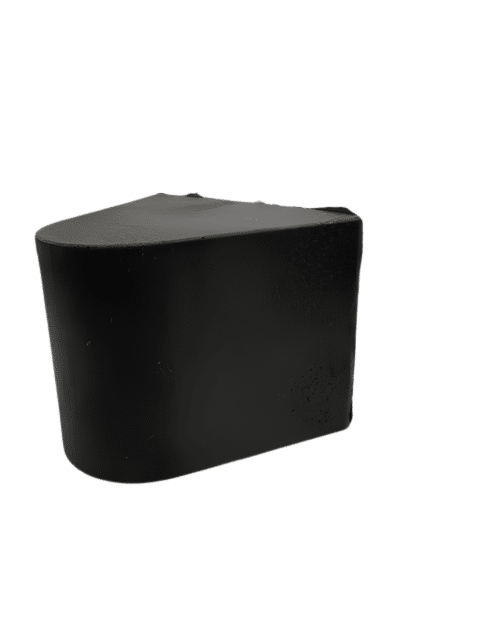
Robotic and automated systems frequently experience impact loads from part transfers, hard stops, collisions, and emergency shutdowns. Without proper protection, these forces can damage equipment, reduce accuracy, and increase maintenance costs.
Urethane foam bumpers are designed to absorb and dissipate impact energy before it reaches critical components, helping improve system reliability and extend equipment life.
How Does Urethane Foam Absorb Impact Energy?
Unlike rigid materials that transfer forces directly into a structure, urethane foam absorbs energy through controlled compression. This reduces peak impact loads and minimizes stress on robotic components.
Key performance benefits include:
- Progressive energy absorption
- Controlled rebound characteristics
- Resistance to permanent deformation
These properties make urethane foam an effective solution for high-cycle automation environments where impacts occur regularly.
Common Robotics Applications for Urethane Foam Bumpers
- Robotic arm impact protection
- End-of-travel stops and limit zones
- Automation cell collision protection
- Material handling equipment
- Machine-to-machine interfaces
- Tooling and fixture protection
Material formulations are tailored for impact energies, compression requirements, and operating conditions.
How Do Engineers Select the Right Urethane Foam?
Choosing the proper foam is critical for consistent performance. Key design considerations include:
- Foam density and firmness
- Compression-set resistance
- Recovery characteristics
- Impact frequency and load levels
- Environmental exposure
Matching these properties to application requirements helps ensure reliable energy absorption while preventing premature wear or excessive rebound.
Why Is Urethane Foam Better Than Rigid Bumpers?
- Lower stress on robotic arms and tooling
- Reduced sensor misalignment
- Improved component longevity
- Less downtime and maintenance
- Enhanced overall system reliability
Conclusion
Urethane foam bumpers provide an effective solution for impact and shock protection in robotics and automation systems. By absorbing energy rather than transferring it, they help protect equipment, reduce maintenance requirements, and improve long-term system performance. For engineers designing high-speed automated systems, urethane foam remains a proven choice for managing impact forces and extending equipment life.
MPC engineers and manufactures custom polyurethane components for the high-performance applications that standard catalog parts can’t handle. These problems are best solved by getting an expert involved early – so if you’re wrestling with a geometry, material, or performance challenge, send it over. You’ll talk to someone who knows polyurethane inside and out and can get the right engineer involved fast.