
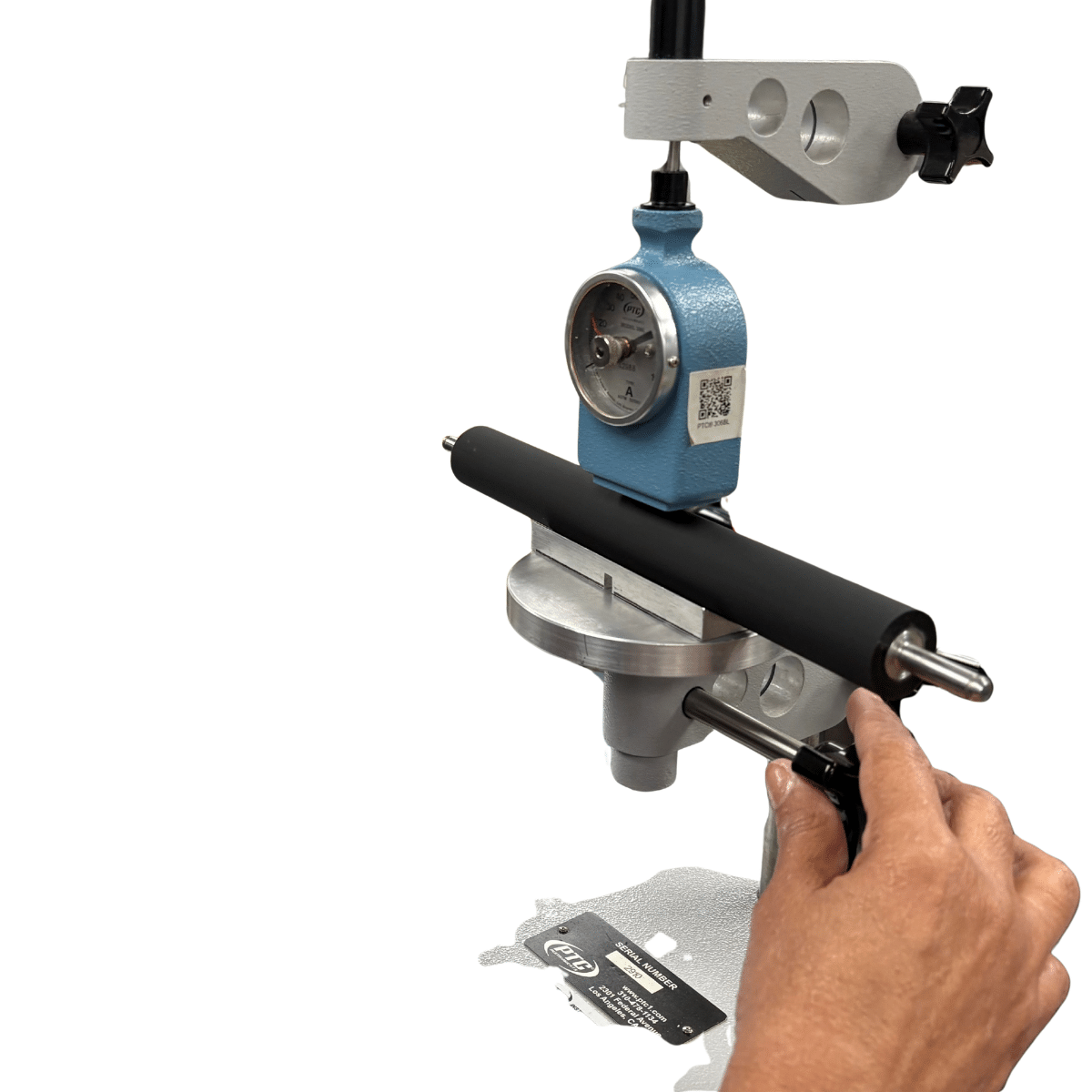
Selecting the right urethane durometer is one of the most important decisions when designing robotic wheels and rollers. In warehouse automation, AMRs, cleanrooms, and industrial robotics, durometer directly affects traction, wear life, rolling resistance, and overall system efficiency.
The key is understanding that there is no universal “best” hardness. The right durometer depends on the application, operating environment, and performance requirements.
What Does Urethane Durometer Affect?
Durometer measures a material’s hardness, but in robotic applications it influences several performance characteristics at once.
Traction and Grip
Softer urethane deforms more under load, creating a larger contact area with the floor. This typically improves traction during acceleration, braking, and directional changes.
Harder urethane deforms less, which can reduce grip on some surfaces but improve efficiency.
Wear Life and Rolling Resistance
Higher-durometer urethane often provides:
- Better wear resistance
- Lower rolling resistance
- Reduced energy loss
However, choosing a wheel that is too hard can lead to reduced traction, wheel slip, and uneven wear.
Load Capacity
Softer materials absorb shock and vibration more effectively but may deform excessively under heavy loads. Excessive deflection can increase heat buildup and shorten wheel life.
The goal is to balance durability with the amount of deformation the application requires.
How Do Engineers Select the Right Durometer?
Rather than choosing hardness alone, engineers evaluate the complete operating environment.
Load Per Wheel
Wheel loading is a major factor in material selection. Heavier loads often require higher durometer materials to maintain wheel shape and performance.
Speed and Duty Cycle
A robot operating continuously places different demands on wheel materials than one running intermittently. Higher speeds and longer run times can increase heat generation and affect long-term performance.
Floor Surface
Floor conditions have a significant impact on wheel performance. Common robotic environments include:
- Polished concrete
- Epoxy-coated floors
- Cleanrooms
- Chemical-processing areas
A durometer that performs well on one surface may not be ideal for another.
Why Cast Urethane Is a Preferred Choice
Cast urethane offers designers the flexibility to fine-tune hardness while maintaining excellent wear properties. This allows engineers to optimize:
- Traction
- Rolling resistance
- Load handling
- Service life
Because of its versatility, cast urethane is widely used for robotic wheels and rollers across a range of automation and material handling applications.