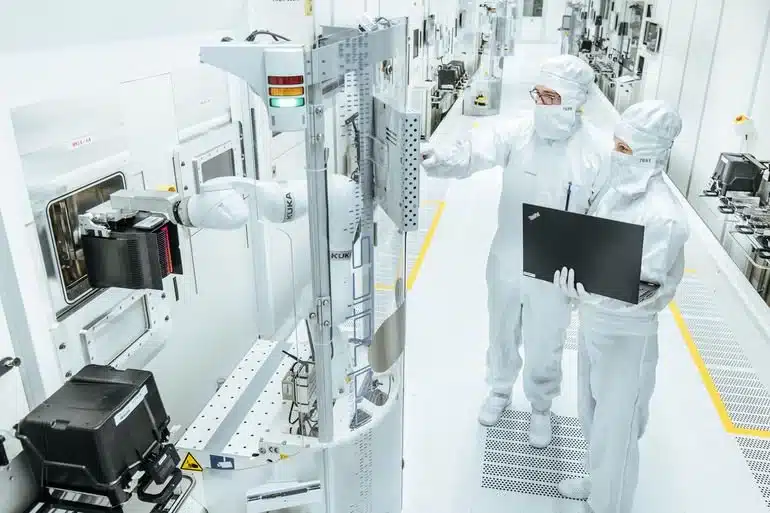
Cleanroom robotics operates in a different environment from standard material handling systems. Wheel and roller design is not just a mechanical detail. It directly affects contamination risk, system reliability, and compliance. Components that perform well in warehouse automation often fall short in cleanroom applications, where particulate control, surface cleanliness, and consistent wear characteristics are non-negotiable.
In these environments, even small design compromises can lead to unacceptable contamination levels or unplanned downtime. To avoid failures, engineers must approach material and design decisions differently.
Common Wheel and Roller Issues in Cleanroom Applications
Particulate Generation From Wear
Normal wear becomes a problem in cleanroom settings when it produces airborne or transferable particles.
Common contributors include:
- Inconsistent or poorly controlled material formulations
- Rough or uneven surface finishes
- Excessive deformation under load
A wheel can meet mechanical requirements and still fail cleanroom standards if particulate behavior isn’t controlled.
Surface Finish and Cleanliness
Surface finish plays a much larger role in cleanroom robotics than in warehouse automation.
Surfaces that are too rough can:
- Trap contaminants
- Accelerate particle release
- Complicate cleaning and maintenance
On the other hand, finishes that are too smooth may compromise traction or wear consistency. Cleanroom wheel design requires a deliberate balance between cleanliness and functional performance.
Inconsistent Wear Behavior
Predictable wear is critical in cleanroom automation.
Uneven or unstable wear patterns can lead to:
- Sudden increases in particulate generation
- Unplanned maintenance events
- Performance variability across identical systems
This makes material selection, geometry control, and manufacturing repeatability especially important.
How Engineers Approach Cleanroom Wheel Design
In cleanroom robotics, wheels and rollers are evaluated beyond load capacity or durability.
Key considerations include:
- Material formulations engineered to minimize shedding
- Controlled surface finishes and post-processing
- Geometry that limits edge loading and localized deformation
- Repeatable manufacturing for consistency across builds
In many cases, off-the-shelf wheels lack the level of control required for cleanroom environments.
Why Cast Urethane Is Used in Cleanroom Robotics
Cast urethane gives engineers control over variables that matter in cleanroom applications.
With cast urethane, it’s possible to tune:
- Material properties to reduce particulate generation
- Surface finish to balance traction and cleanliness
- Geometry to promote even, predictable wear
This makes cast urethane a strong alternative to rubber and machined plastics in cleanroom robotic systems.
MPC develops custom cast-urethane wheels and rollers for robotics and automation applications where contamination control, consistency, and long-term reliability are critical — including ISO-aligned cleanroom environments.
Conclusion
In cleanroom robotics, wheel and roller design directly affect system cleanliness, reliability, and uptime. Issues with particulate generation, surface finish, or wear consistency can compromise even well-designed automation systems.
By addressing material formulation, surface finish, and geometry together, engineers can reduce the risk of contamination and improve system predictability.
If you’re evaluating wheels or rollers for a cleanroom robotics application, MPC’s engineering team can review your requirements and help determine the right solution.