Rigid stops and hard interfaces transfer impact and shock straight into delicate components, causing misalignment, stress and frequent maintenance
Bumper set
Bumpers and pads must absorb repeated impact without taking a set, tearing or adding excessive rebound, and without costing cycle time
Mount drift
Vibration mounts must dampen vibration and hold their dimensional integrity over product life, where generic foam and elastomer take a set and drift
Cable protection
Cables, risers and umbilicals need bend protection and strain relief, and metal bend stiffeners corrode, are heavy and need costly coatings
Enclosure weight
Enclosures and covers must protect sensitive electronics from impact, corrosion and the environment while staying light and scalable
— The Differentiator
Where standard components fall short
Most engineers start with rubber bumpers, stock foam, rigid stops, or metal bend stiffeners and enclosures. Each one falls short:
Rigid stops can pass shock straight into the component they were meant to protect
Stock foam and rubber mounts can take a set, so dimensions and dampening drift away from the specifications
Rubber bumpers can tear under repeated impact, and assembled parts can fail at the bonded interface
Molded plastic strain reliefs can crack at the flex point
Metal bend stiffeners and enclosures corrode, add weight, and need cathodic protection or coating
None can be customized to the energy absorption, dampening and durometer the system requires, and stock suppliers offer no engineering support
— Solution Spotlights
The products that solve this problem
Protective components only work for as long as they hold their shape. For applications where impact, shock or vibration threatens equipment, MPC customizes energy absorption, dampening and durometer to meet the needs of your system, in materials whose compression set runs as low as 17%.
Bumpers, Pads & Cast Polyurethane Foam Components
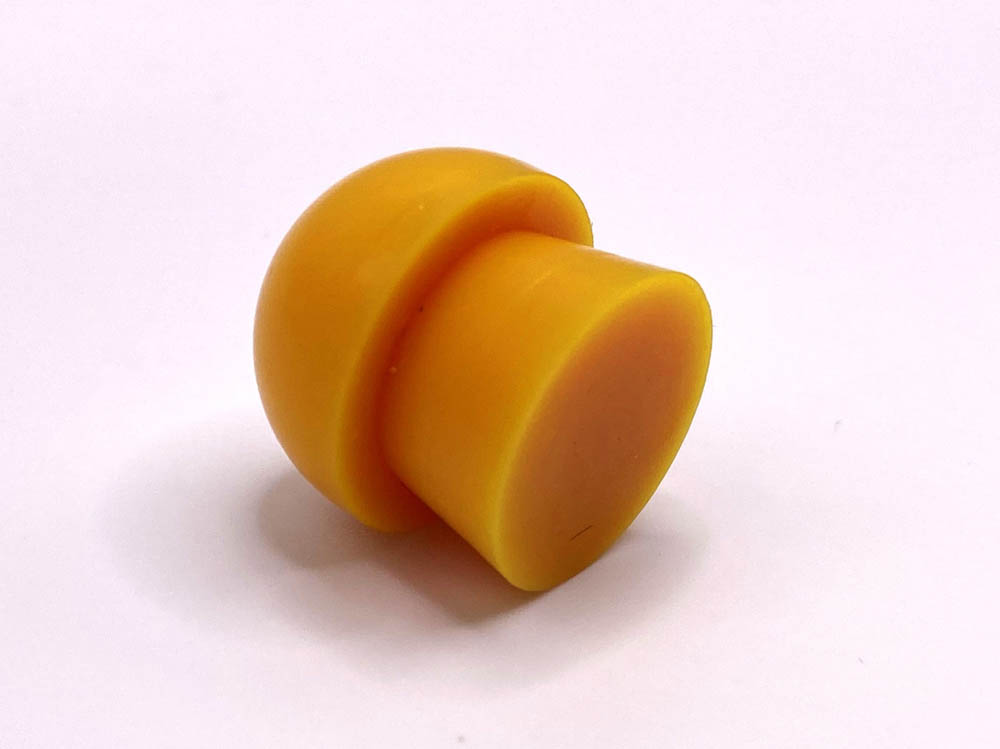
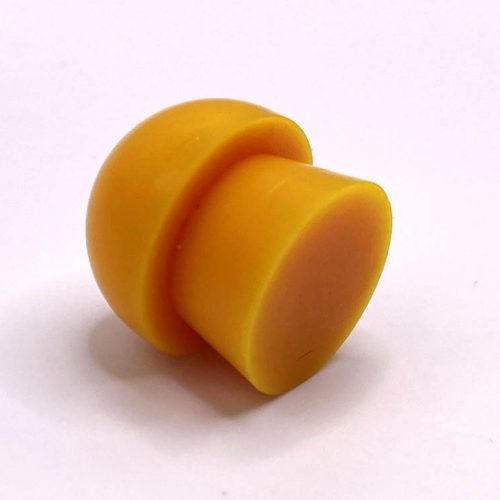
Custom cast polyurethane foam components, bumpers and pads engineered to the right density and recovery to slow an impact through controlled compression, absorbing energy without excessive rebound or a cycle-time penalty. Far lower compression set than stock parts holding their protective properties and height over system life, and dual-durometer construction puts a soft energy-absorbing zone over a hard structural zone in one part.
Vibration and motor mounts designed to dampen vibration and hold their shape over system life, where stock foam and elastomer take a set and drift. MPC customizes the durometer and geometry to the exact needs of your design.
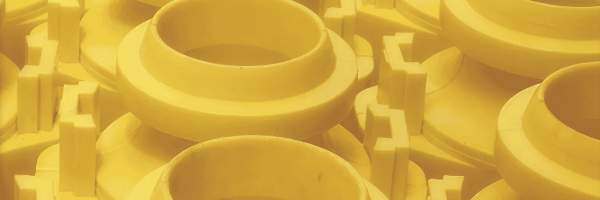
Vertebrae bend restrictors, bend stiffeners and covers cast in urethane that resists seawater hydrolysis and abrasion. They are lightweight and non-metallic, so they need no cathodic protection like metal. MPC also makes a patented boltless VBR design that installs about 40% faster than the standard bolted version, saving install time and cost on top of the protection.
An automated system was taking recurring damage from incidental impacts. Rigid stops transfer shock into robotic components, causing misalignment, component stress and frequent maintenance.
WHAT MPC DID
MPC engineered a custom cast polyurethane foam component that absorbed the impact energy through controlled compression.
The same protection problem shows up in any application where impact, shock or vibration threatens equipment. For common examples of protection and dampening solutions across different applications, check out the below industry pages:
Industry
The application
Medical Devices (Imaging)
Vibration and isolation mounts and table-edge bumpers
Bolted vertebrae bend restrictors need marine-grade hardware on every segment, burning expensive deck and vessel time. This case study shows how MPC’s patented boltless clip design installed about 40% faster with far fewer pieces to manage, without giving up bend protection.
Designing Robotic Systems for Shock, Vibration, and Impact
As robots move faster, shock and vibration – not just static strength – drive many failures. This white paper shows engineers how to improve reliability by managing impact energy across the whole system rather than simply building parts stronger.
Engineering Polyurethane Components for Heavy-Duty Applications
Modern automation pushes mechanical parts past what standard materials can handle. This white paper covers the material, process, and design choices behind heavy-duty polyurethane components for robotics and precision systems, so they hold up under continuous duty.
What bumper or foam absorbs repeated impact without taking a compression set or tearing like rubber?
A custom cast polyurethane foam component or bumper with low compression set. MPC engineers the material to absorb repeated impact through controlled compression, so it holds its protective properties over life where rubber tears and takes a set.
What vibration mount holds its dampening and shape without the drift of stock foam or plastics?
A custom cast polyurethane mount customized to the needs of your application. Its low compression set holds its shape and dampening properties over life where stock parts drift, and MPC customizes the durometer and geometry to the vibration the mount actually sees.
Can you make a part with a soft energy-absorbing zone and a hard structural zone in one piece?
Yes, with dual-durometer construction. MPC can manufacture dual-durometer products including a soft energy-absorbing zone and a hard structural zone together as one part.
What protects subsea cables and electronics enclosures without the corrosion and weight of metal?
Custom cast polyurethane bend restrictors, covers and enclosures. They resist seawater hydrolysis and abrasion, weigh less than metal, and need no costly coatings, so they protect cables and electronics where machined metal corrodes and adds weight.