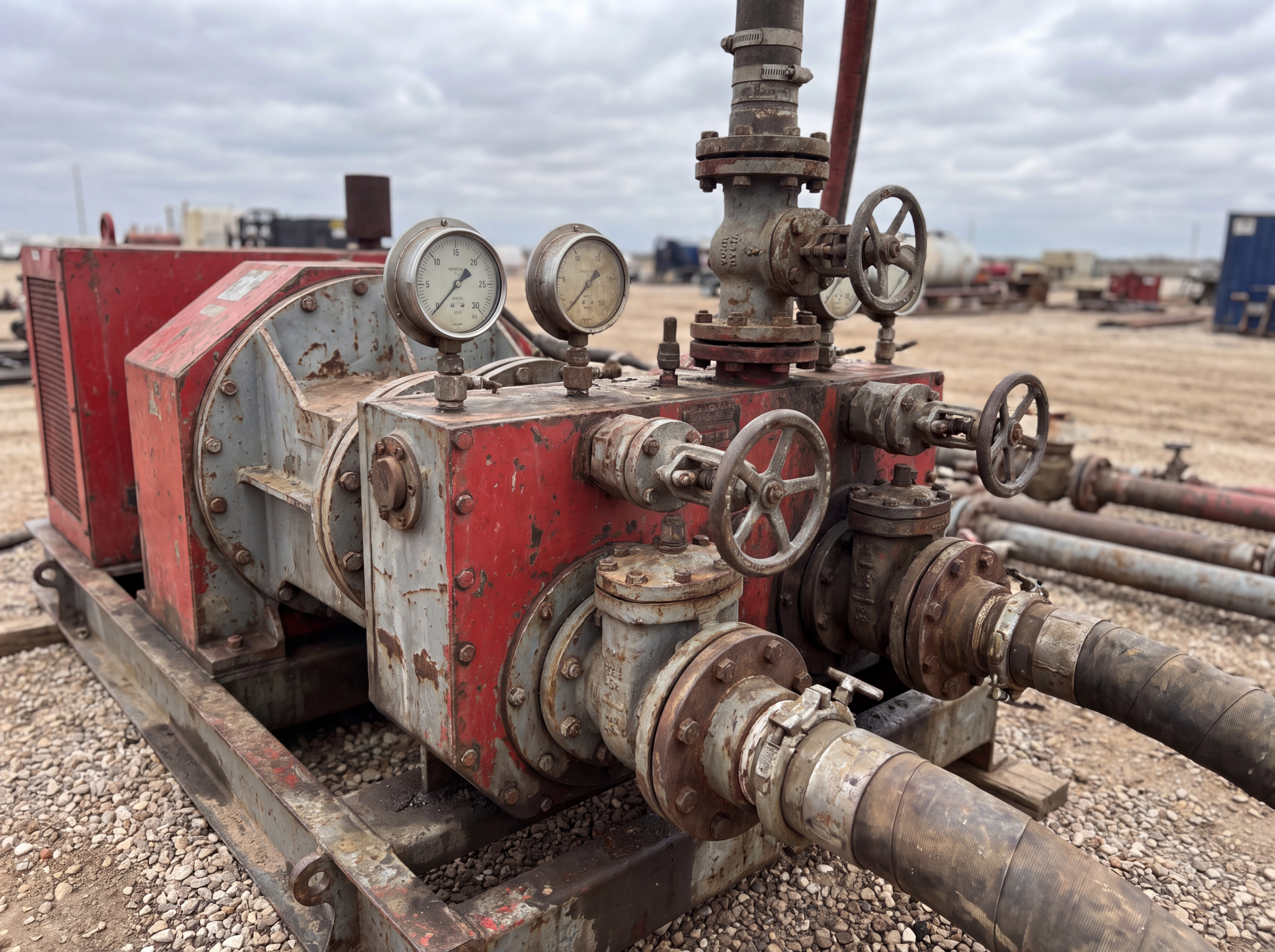
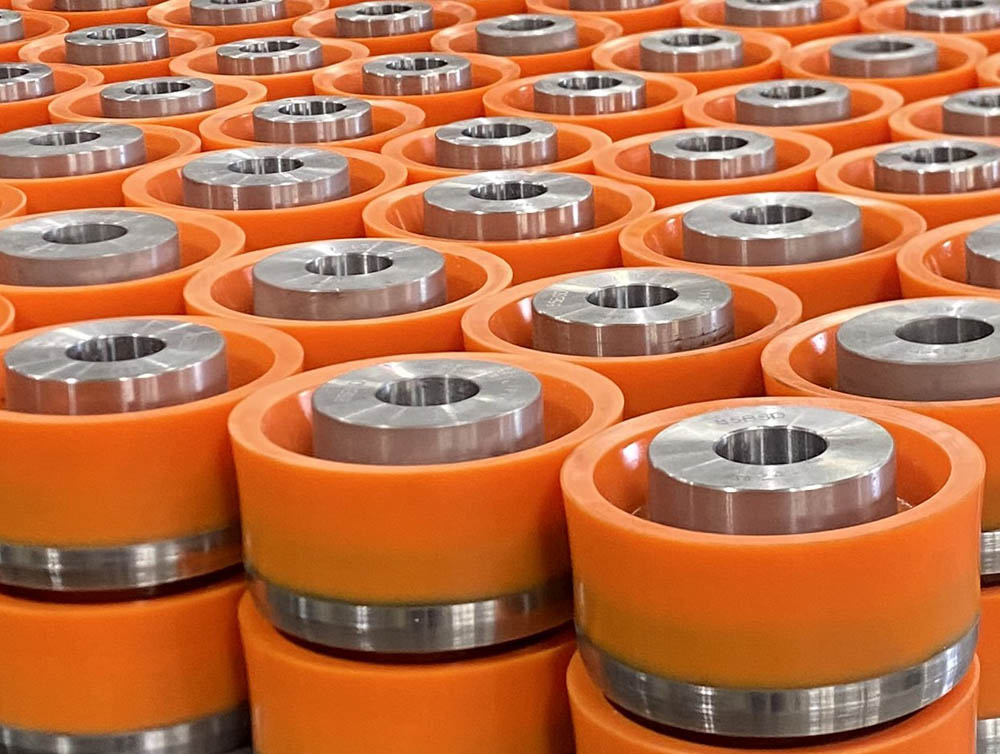
Mud pump pistons and valves experience high pressures that can tear and deform rubber
Abrasive mud
Drilling mud wears catalog urethane and rubber fast in the fluid path
HPHT downhole
The combination of heat, pressure and sour gas damage rubber sealing elements
Continuous duty
RCD sealing elements see repeated cycles against drill pipe under pressure in abrasive fluid, joint after joint
Every failure is downtime
Wear parts sit in the fluid path; when they go, the rig stops
— The Differentiator
Where standard parts fall short downhole
Engineers reach for rubber or catalog-grade urethane — and each falls short somewhere in the fluid path:
Rubber tears and deforms under pressure, and loses tear strength fast in HPHT service
Catalog-grade urethane wears quickly under the combined attack of pressure, abrasion, heat and harsh chemicals
Rubber suits lower pressure and temperature applications; a high-pressure system will blow past it
None can be customized to the combination of durometer, geometry and chemistry the downhole environment demands, and stock suppliers offer no engineering support
The Result – Frequent maintenance cycles on the parts in the fluid path — changeouts, warranty claims, leak and safety risk in HPHT service, and unplanned downtime on the most expensive asset on site.
— Solution Spotlights
What it is + how it's different
Mud Pump Pistons & Valves
Pistons and valves sit in the fluid path, taking-on pressure and abrasive mud at once. MPC manufactures them at a custom durometer and molds the geometry to the pump, so the part outlasts the mud that wears catalog urethane and rubber.
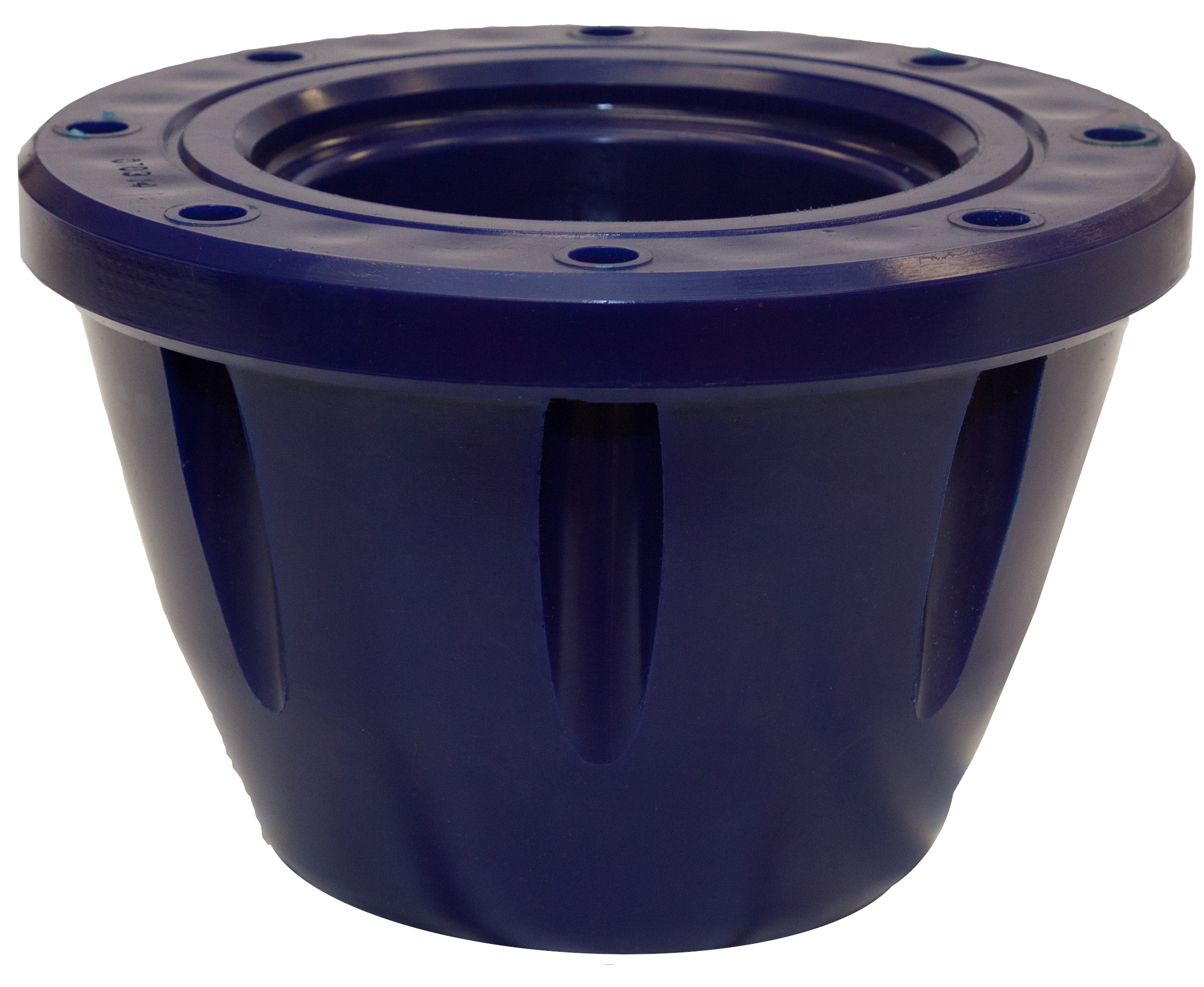
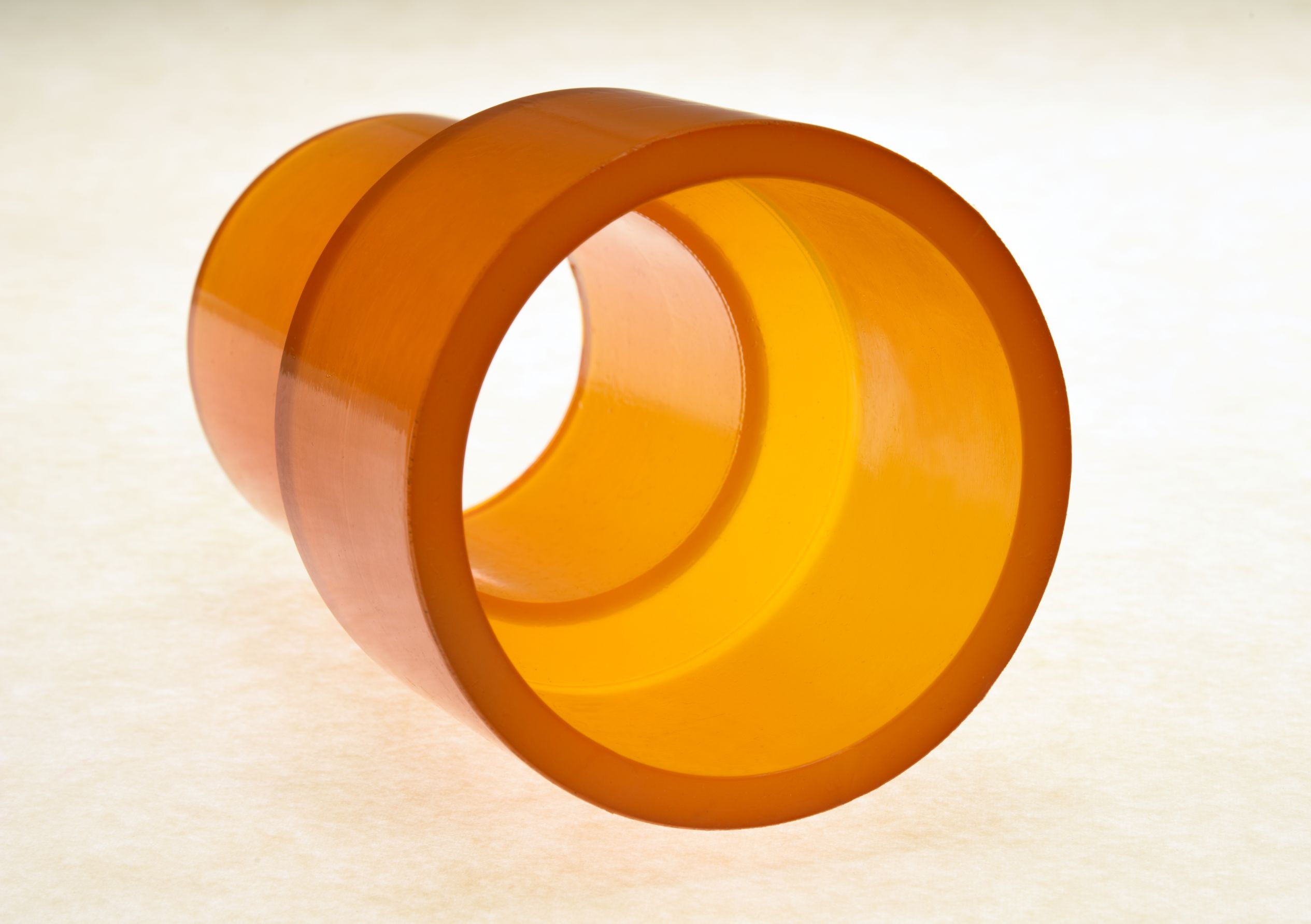
RCDs, downhole completion and intervention tools, and mud buckets all need seals that keep sealing under high pressure and high temperatures in abrasive media where rubbers fail . MPC manufactures custom sealing elements built for heat, aging and hydrolysis resistance.
Steel pipe corrodes and wears in abrasive oilfield fluid transport. Durastatic polyurethane pipe resists the abrasion that eats steel and doesn’t corrode, so it keeps carrying abrasive material where steel gives out.
Rubber mud pump pistons were tearing and extruding under pressure in abrasive drilling fluid. This case study shows how MPC’s custom cast polyurethane piston ran up to 3x longer than the rubber it replaced in service to roughly 7,500 PSI and 250°F.
Engineering Polyurethane Components for Heavy-Duty Applications
Modern automation pushes mechanical parts past what standard materials can handle. This white paper covers the material, process, and design choices behind heavy-duty polyurethane components for robotics and precision systems, so they hold up under continuous operation.
What piston or valve material outlasts rubber and catalog urethane in a high-pressure mud pump (abrasive mud, ~7,500 PSI, ~250°F)?
Cast polyurethane, formulated for the application. In one case, MPC’s polyurethane pistons ran up to 3x longer than the rubber they replaced, cutting changeouts and downtime.
What downhole seal handles HPHT with H2S, CO2 and methane without the strength loss of rubber or the brittleness of specialty rubber?
A cast polyurethane formulated for that exposure. MPC custom formulates polyurethanes for heat, aging and hydrolysis resistance, for applications where rubbers fail.
What RCD sealing element lasts longer against drill pipe under pressure and abrasion?
A cast polyurethane element. Rubber is only used at lower pressure and temperature — in a high-pressure system it will not hold. MPC manufactures the element to the device so it keeps sealing as joint after joint runs through.
Can you build mud bucket seals to my design if I don't have tooling drawings?
Yes. MPC builds custom seals to fit the mud bucket system you actually run.
What pipe resists abrasion and corrosion better than steel for abrasive oilfield fluid transport?
Durastatic® polyurethane pipe. It resists the abrasion that wears steel in abrasive fluid and slurry transport and does not corrode, so it keeps carrying material where steel pipe gives out.