
Dairy & Beverage — Processing, Filling & Milking Systems
Aggressive CIP/SIP cycles, wear and marking defeat standard parts. Custom-engineered polyurethane components prevail.
— The Recurring Problems
Food contact
Every product- and packaging-contact part must use a food-safe material
Cleaning chemistry
Hot caustic and acid cycles, sanitizers, hot water and steam
Marking and scuffing
Containers must move at line speed without being marked or dropped
Dimensional drift
Parts have to hold tight tolerances as they wear
Continuous wet operation
Milking-system wear parts, rollers and guides never dry out
Changeover downtime
Replacing worn parts stops a high-speed line
Residue and buildup
Sugars, dairy fats and acids attack and build up on surfaces
— The Differentiator
Where standard parts fall short
Engineers reach for plastics, metal, or rubber — and each falls short on a filling or milking system:
- Hard plastics and metal mark, scuff or damage bottles, containers and product
- Rubber and some plastics degrade under hot caustic and acid cycles, hot water and steam
- Standard materials wear and lose tolerance, so parts drift and need replacing
- None can be customized to the combination of durometer, geometry and wear life one star wheel, timing screw or gripper needs, and stock suppliers offer no engineering support
- Some standard materials aren't food-safe for direct product or packaging contact
The Result – Scrapped product and damaged packaging, the line stopped to swap worn change parts, sanitation-driven degradation, and food-safety exposure. On high-speed systems, throughput and product quality are the same problem.
— Solution Spotlights
The custom parts that solve it
Parts for Filling & Bottling Lines
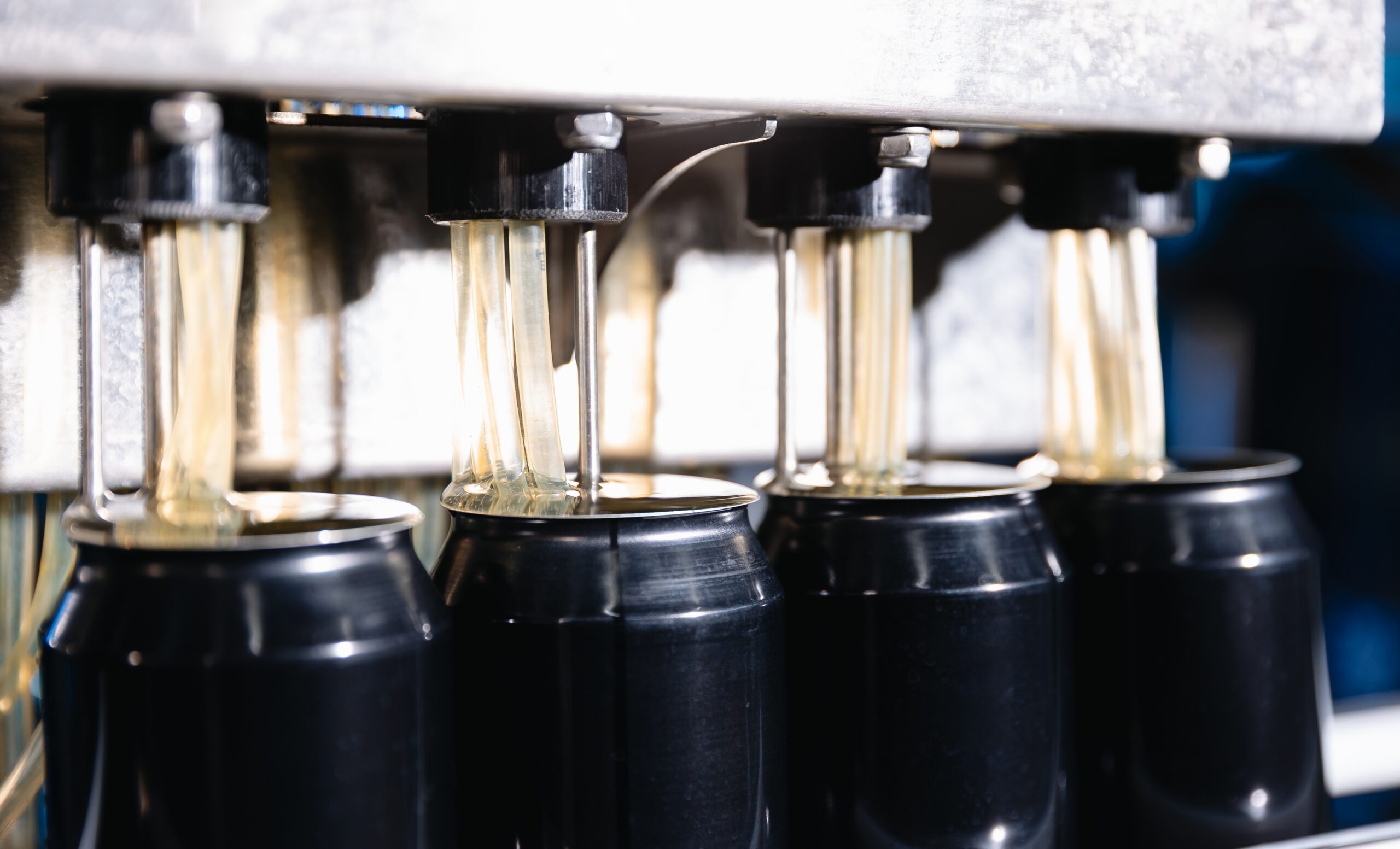
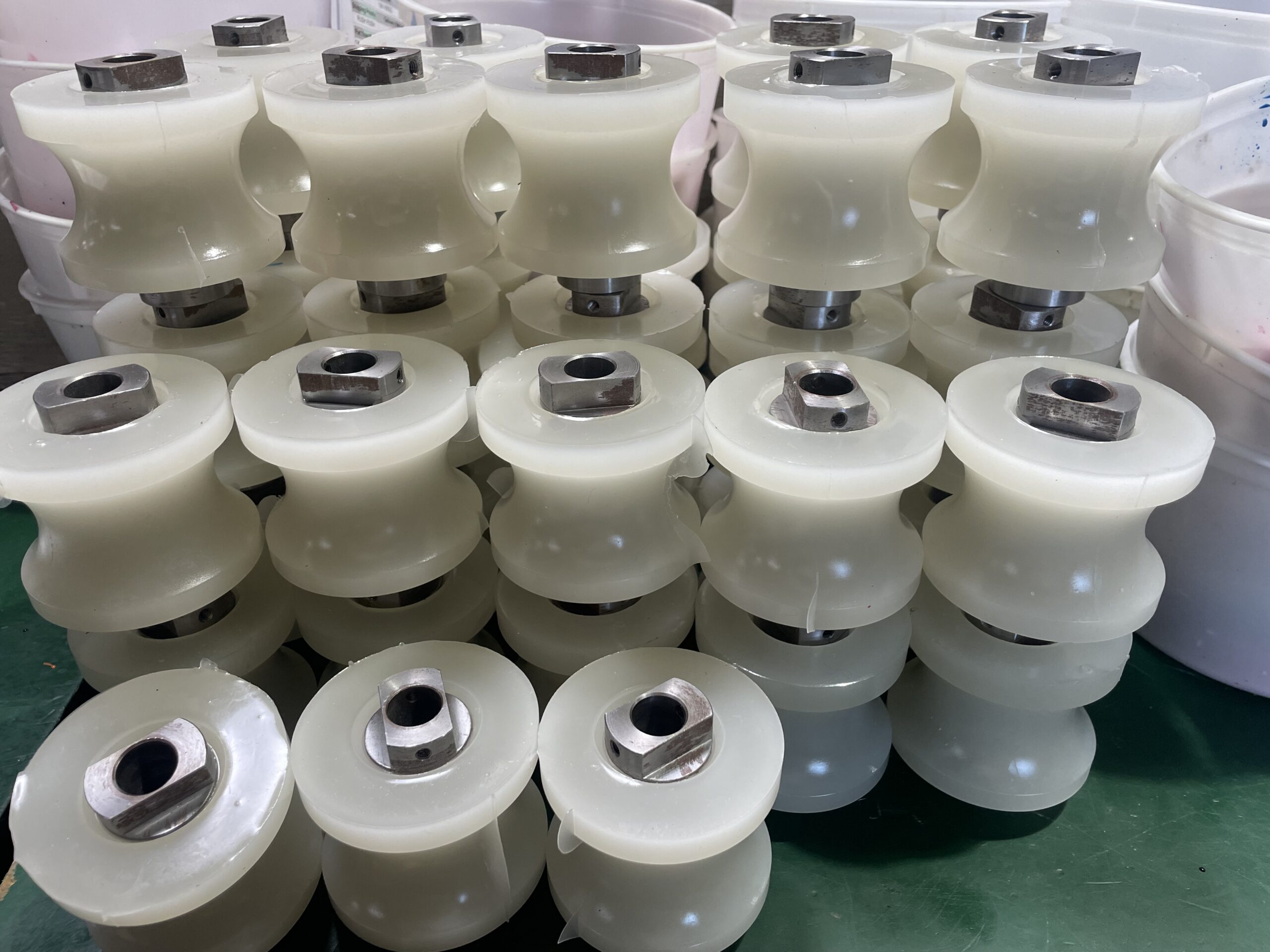
Star wheels, guide stars, timing screws, grippers and other components are manufactured to your geometry and durometer, so containers move at line speed without being marked or dropped. Cast polyurethane will not scuff like plastic or metal and can hold its dimensions throughout the wear cycle longer than plastics or rubber. Our custom components are designed to meet the exact requirements of your application, including FDA-compliant formulations for food contact.
Milking System Wear Parts, Rollers & Guides
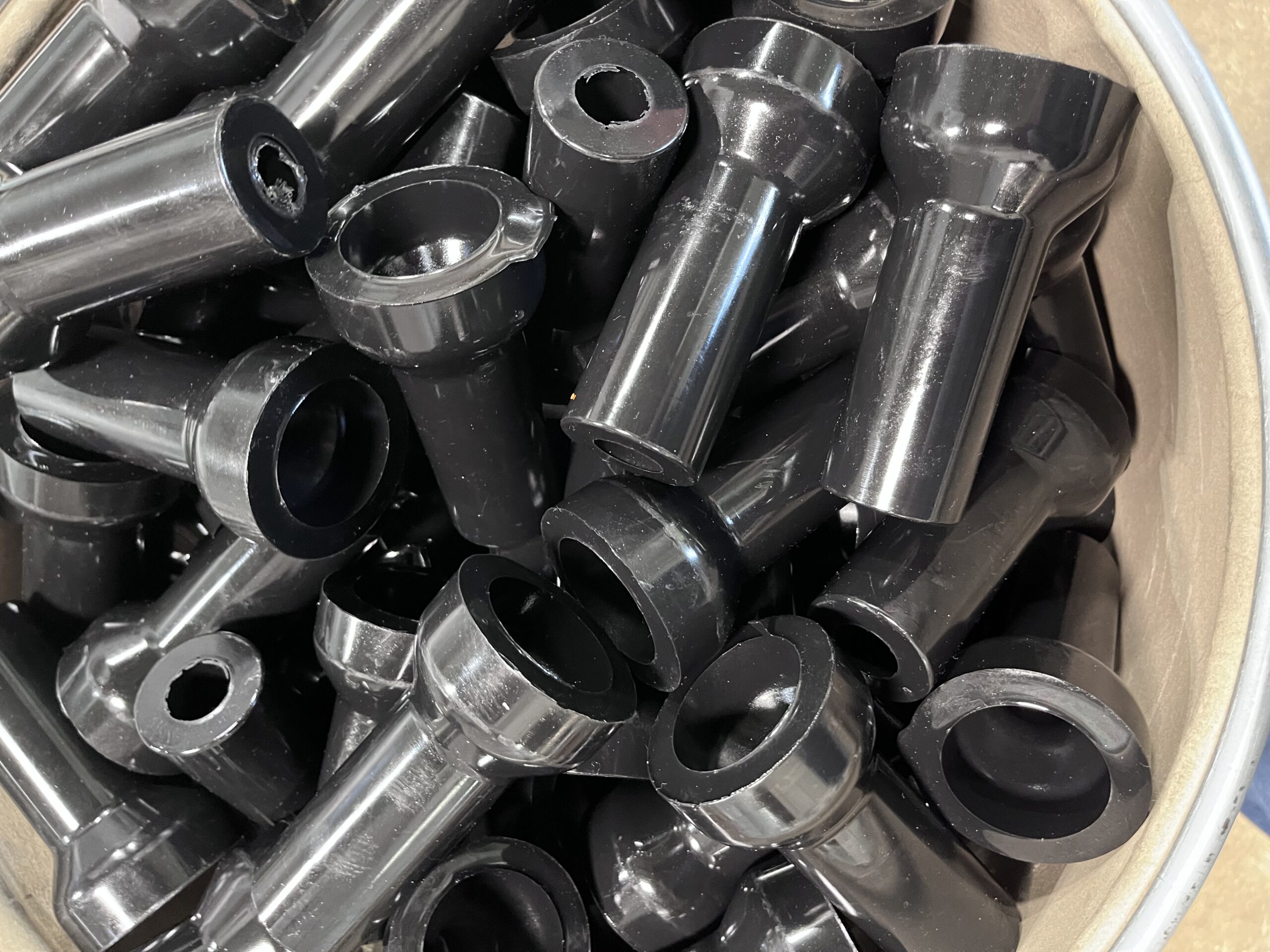
Automatic and robotic milking systems run continuously in a wet, wash-heavy environment. MPC manufactures the wear parts, rollers and guides inside them to the machine and customizes the material to the CIP/SIP chemistry, temperature and exposure your parts run, not a generic washdown.

Talk it through with a polyurethane expert who’ll tell you what’s achievable and what is not.
— Technical Specifications
The specs that matter for dairy & beverage
Property
Range for this application
Hardness (ASTM D2240)
• Shore 20A–70D — solid polyurethane
• Shore 25A–50A — foam polyurethane
• Customized per part
Tensile strength (ASTM D412)
• 250–7,800 PSI — solid polyurethane
• 800–1,400 PSI — foam polyurethane
Elongation (ASTM D412)
• 160–850% — solid polyurethane
• 330–700% — foam polyurethane
Tear strength, Die C (ASTM D624)
• 30–800 PLI — solid polyurethane
• 100–160 PLI — foam polyurethane
Compression set (ASTM D395B)
• 5–40% — solid polyurethane
• 17–20% — polycarbonate polyurethane at Shore 70A–90A
Chemical exposure
• Thermoset polyurethane resists a wide range of chemicals and oils
• Resistance depends on the specific polyurethane chemistry, operating temperature, aeration and length of exposure
• MPC formulates to the cleaning cycle the parts run
Food contact
• FDA-compliant formulations available in solid and foam polyurethane
Abrasion and surface finish
• High abrasion resistance with tolerance to tight surface finishes
Customizable properties
• Hardness, elongation, tensile, tear and compression set are formulated to the part
• Any shape component, or machined to precise specifications
• Color and detectable additives can be added
Relevant technical downloads
Document
What it gives the engineer
Full solid-grade table: hardness 20A–70D with tensile, elongation, tear and compression set per grade.
Foam grade table, plus the self-cleaning pore structure and integral-skin options.
The heat-, aging- and hydrolysis-resistant grades, and the lowest compression set in the family.
General chemical resistance guideline by substance, with the conditions the guideline assumes.
— HOW TO WORK WITH US
From concept to scaled production
Connect With Us
Share your application, performance needs, or a part you want to improve.
Collaborate on Design
Our engineers will help optimize materials and geometry for manufacturability.
Prototype & Refine
We produce samples using our proprietary polyurethane formulations for testing.
Move to Production
Once approved, we move to scalable molding with full quality assurance.
That’s exactly the conversation we like to have – get a polyurethane expert on a quick call to pressure-test your idea before you commit.
— PROOF
White papers
White Papers
Engineering Polyurethane Components for Heavy-Duty Applications
Modern automation pushes mechanical parts past what standard materials can handle. This white paper covers the material, process, and design choices behind heavy-duty polyurethane components for robotics and precision systems, so they hold up under continuous operation.
Engineering Urethane Wheels and Rollers for Robotics and Automation
Wheels and rollers are among the hardest-working parts in any automated system. This white paper walks engineers through designing them for load, wear, traction, and reliability in heavy-duty robotics, so they last instead of becoming the weak link.
Custom Polyurethane Formulations in Robotics
When off-the-shelf materials can’t hit every requirement at once, robotics engineers turn to custom formulation. This white paper explains how MPC customizes durometer, additives, and chemistry to resolve the competing demands of wear, stiffness, and environmental resistance in robotic systems.
— Design Guide
How to specify polyurethane change parts for filling, bottling and milking systems
What to consider, what’s possible, and where custom urethane outperforms other material options – drawn from the same expertise MPC brings to your application.
— FAQ
Frequently Asked Questions
What food-safe polyurethane holds up to aggressive CIP/SIP cleaning chemistry long-term?
A formulation matched to your system. Part life depends on temperature, exposure time and what else is in the wash, so MPC formulates to the specific needs of your system rather than a generic washdown. You can reference our chemical-resistance guide as a starting point.
What material handles bottles and containers on a filling line without marking or scuffing?
Cast polyurethane. Hard plastics and metal scuff containers and rubber leaves marks; urethane doesn’t, and its abrasion resistance is part of why — the surface stays smooth rather than breaking down onto what it touches.
Can you manufacture custom star wheels, guide stars, timing screws and grippers to my machine's specifications?
Yes. Each of those matches one machine and one container, so MPC manufactures to your geometry at a durometer chosen for optimum operation. Send the part or the design and MPC will guide you through the process.
What outlasts plastics or metal parts on a high-speed bottling line?
Cast polyurethane. Parts drift out of tolerance because they wear, and polyurethane has considerably better abrasion resistance than plastics, metals, or rubber — so it holds its dimensions longer and needs swapping less often.
Are food-safe, FDA-compliant and detectable or blue formulations available for product and packaging contact?
Yes — FDA-compliant formulations are available, and parts can be pigmented or made with detectable additives for regulatory compliance programs. Food-contact compliance is determined for your system rather than granted to a material, so MPC supplies the formulation and documentation your qualification needs.
— Keep Exploring