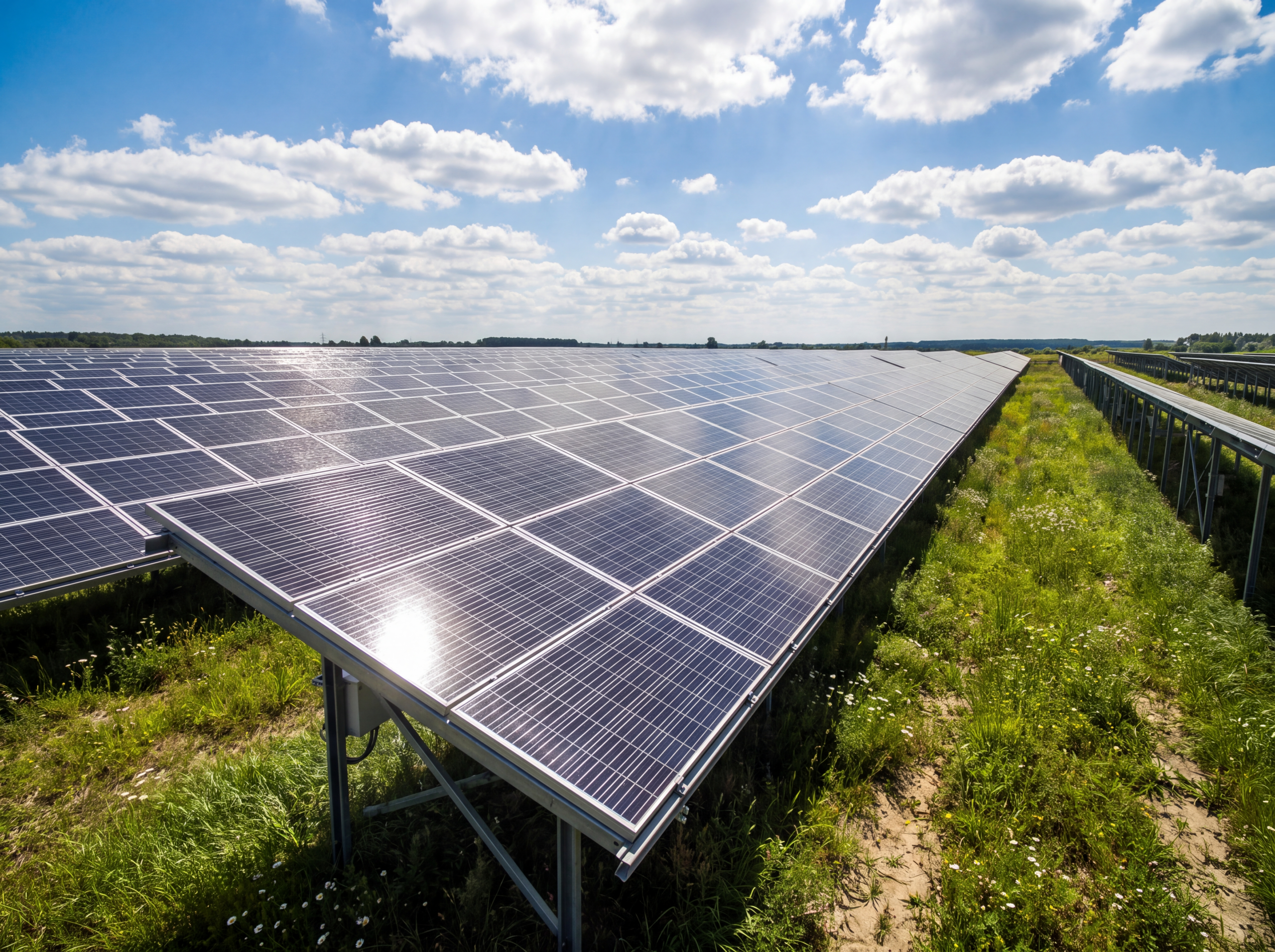
UV exposure, moisture, saltwater and temperature swings, year after year
Corrosion
Metal corrodes and requires costly coatings, and rubber degrades under outdoor conditions
Offshore wind
Saltwater and splash-zone exposure on cables and connections
Weight matters
Lighter parts improve efficiency and lower costs
Wafer slicing
Worn wire saw guide rollers cause defects in solar panel manufacturing
Geothermal downhole
Hot, high-pressure and corrosive environments damage standard parts
No custom fit
Catalog parts can’t be customized to each system’s geometry and environment
— The Differentiator
Where standard parts fall short outdoors
Engineers reach for metal, rubber, or a catalog part — and each falls short over the decades a renewable asset has to run:
Metal corrodes in moisture and saltwater, is heavy, and needs coating or cathodic protection
Rubbers degrade under UV, weather and saltwater, losing properties over time
None can be customized to the geometry, hardness and environmental resistance each system needs, and stock suppliers offer no engineering support
On solar panel slicing wire saws, worn guide rollers can cause kerf loss and cracked wafers
Downhole in geothermal, standard elastomers lose strength in hot, pressurized, corrosive fluids
The Result – Corrosion- and degradation-driven maintenance on assets meant to run 20 to 30 years, efficiency lost to heavier parts, and failures downhole where access is expensive.
— Solution Spotlights
The custom parts that solve it
Wire Saw Guide & Pulleys
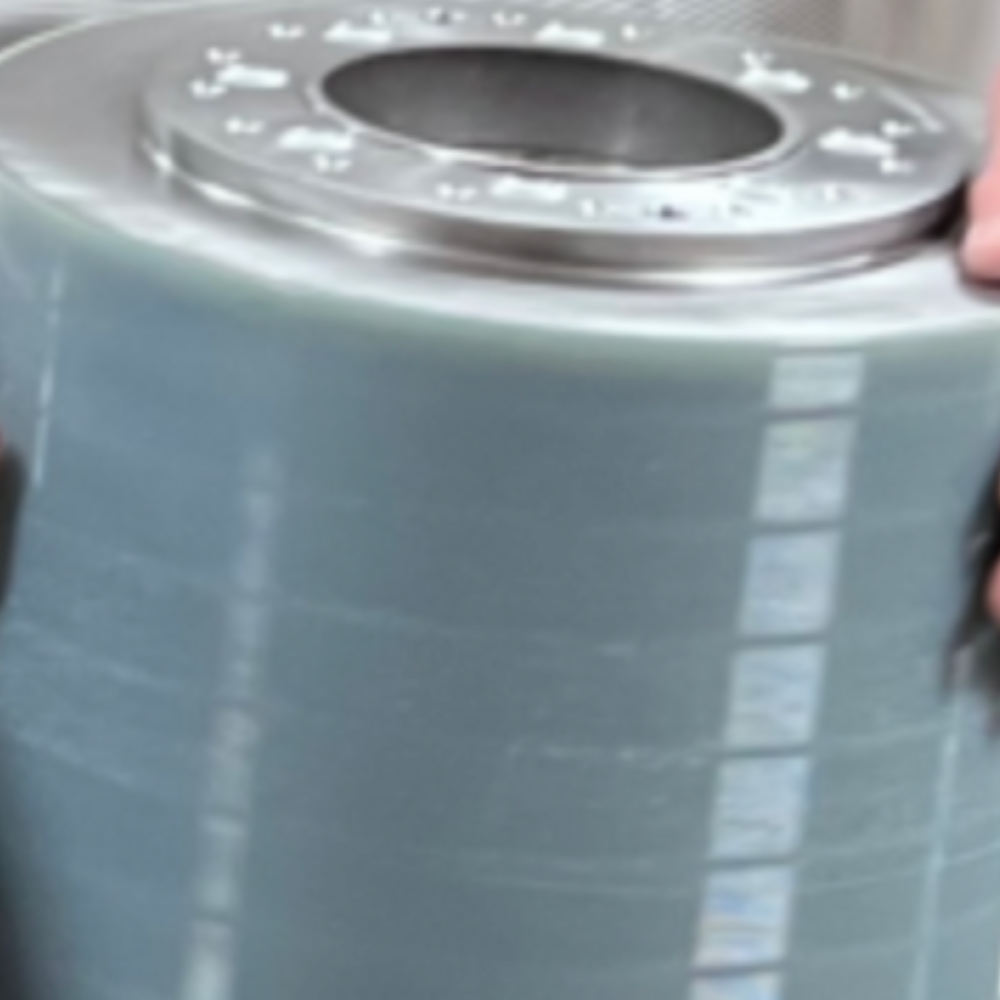
Slicing solar panels puts brittle wafers on a diamond wire that must stay precisely aligned. MPC coats and grooves the guide rollers and pulleys that hold that alignment in abrasion-resistant cast polyurethane, and re-coats and re-grooves worn rollers domestically instead of shipping them overseas.
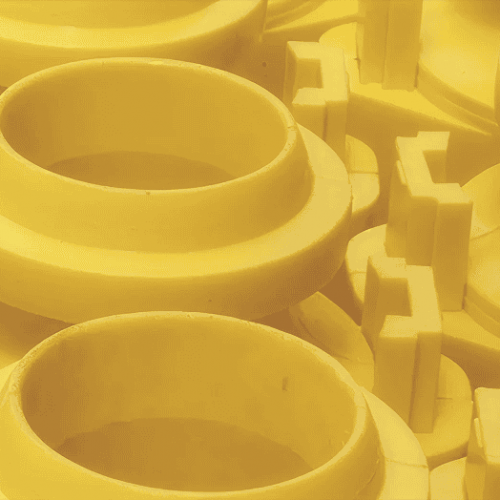
Cast polyurethane resists corrosion in moisture and saltwater where metal needs a coating and doesn’t degrade under UV like rubber. MPC manufactures seals, bushings, pads and covers, protects offshore-wind cable connections, and formulates geothermal downhole components to the heat, pressure and fluid a well sees at once.
Robotics OEM Overcomes Material Performance Limitations
A robotics OEM needed a molded part that balanced controlled stiffness, predictable wear, and environmental resistance, something no off-the-shelf material could hit. This case study shows how MPC customized the material formulation to deliver required performance and cut down on costly redesign cycles along the way.
Engineering Urethane Wheels and Rollers for Robotics and Automation
Wheels and rollers are among the hardest-working parts in any automated system. This white paper walks engineers through designing them for load, wear, traction, and reliability in heavy-duty robotics, so they last instead of becoming the weak link.
Engineering Polyurethane Components for Heavy-Duty Applications
Modern automation pushes mechanical parts past what standard materials can handle. This white paper covers the material, process, and design choices behind heavy-duty polyurethane components for robotics and precision systems, so they hold up under continuous operation.
When off-the-shelf materials can’t hit every requirement at once, robotics engineers turn to custom formulation. This white paper explains how MPC customizes material formulations to resolve the competing demands of wear, stiffness, and environmental resistance in robotic systems.
What material survives decades of UV, moisture and saltwater outdoors better than metal or rubber?
Cast thermoset polyurethane. It resists corrosion in moisture and saltwater without the coatings metal needs, and it doesn’t degrade under UV and weather the way rubber does. MPC formulates it to the exact requirements of your system.
What wire saw guide roller material holds wire alignment and resists abrasion when slicing solar silicon wafers?
Cast polyurethane, coated and grooved to your wire pitch. MPC supplies the same guide rollers and pulleys used high-precission wafer slicing, and re-coats and re-grooves them domestically as they wear.
What seals and cable protection hold up to saltwater in offshore wind?
Cast polyurethane. It resists saltwater corrosion without coating or cathodic protection and stays flexible through constant motion, which suits sealing cable connections, bend restrictors, and other components protecting lines in the splash zone.
What handles hot, pressurized, corrosive fluid in geothermal downhole service?
A cast polyurethane formulated for tough environmental conditions. MPC’s thermoset polyurethanes can be formulated for heat, aging, hydrolysis and chemical resistance.
How does polyurethane lower component weight versus metal on renewable systems?
It is less dense than metal or concrete, so a cast part can do the same job at lower weight — useful anywhere weight costs efficiency, such as off-shore wind and solar.