Parked casters flat-spot under sustained load, raising push-pull force
Vibration & drift
Foam and elastomer mounts can take a set and lose their damping properties
Wear & marking
Standard rollers and bumpers take constant motion and impact wearing quickly and leaving unwanted marks
Cord protection
Plastic strain reliefs crack under high use and high force applications
Image quality at risk
Vibration or a failed part compromises image quality
Downtime & complaints
Failures on high-value equipment mean service calls and lost sales
— The Differentiator
Where standard materials fall short in imaging equipment
No off-the-shelf part clears the full set of imaging-equipment demands at once, so the usual choices each fall short somewhere:
Standard rubber or plastic casters flat-spot under sustained load
Foam and elastomer isolation mounts take a set and lose their dampening properties and over time
Injection-molded plastic cord-protection parts can crack at under constant use
None can be customized to the combination of durometer, dampening and load the equipment needs, and stock suppliers offer no engineering support
The Result – Downtime, customer complaints and lost sales, plus component replacement on high-value equipment.
— Solution Spotlights
What it is + how it's different
Casters & Wheels — Low Compression Set
Heavy imaging equipment sits parked, and a rubber caster can take a set, preventing the casters from rolling. MPC’s low-compression-set casters resist flat-spotting and extend system service life.
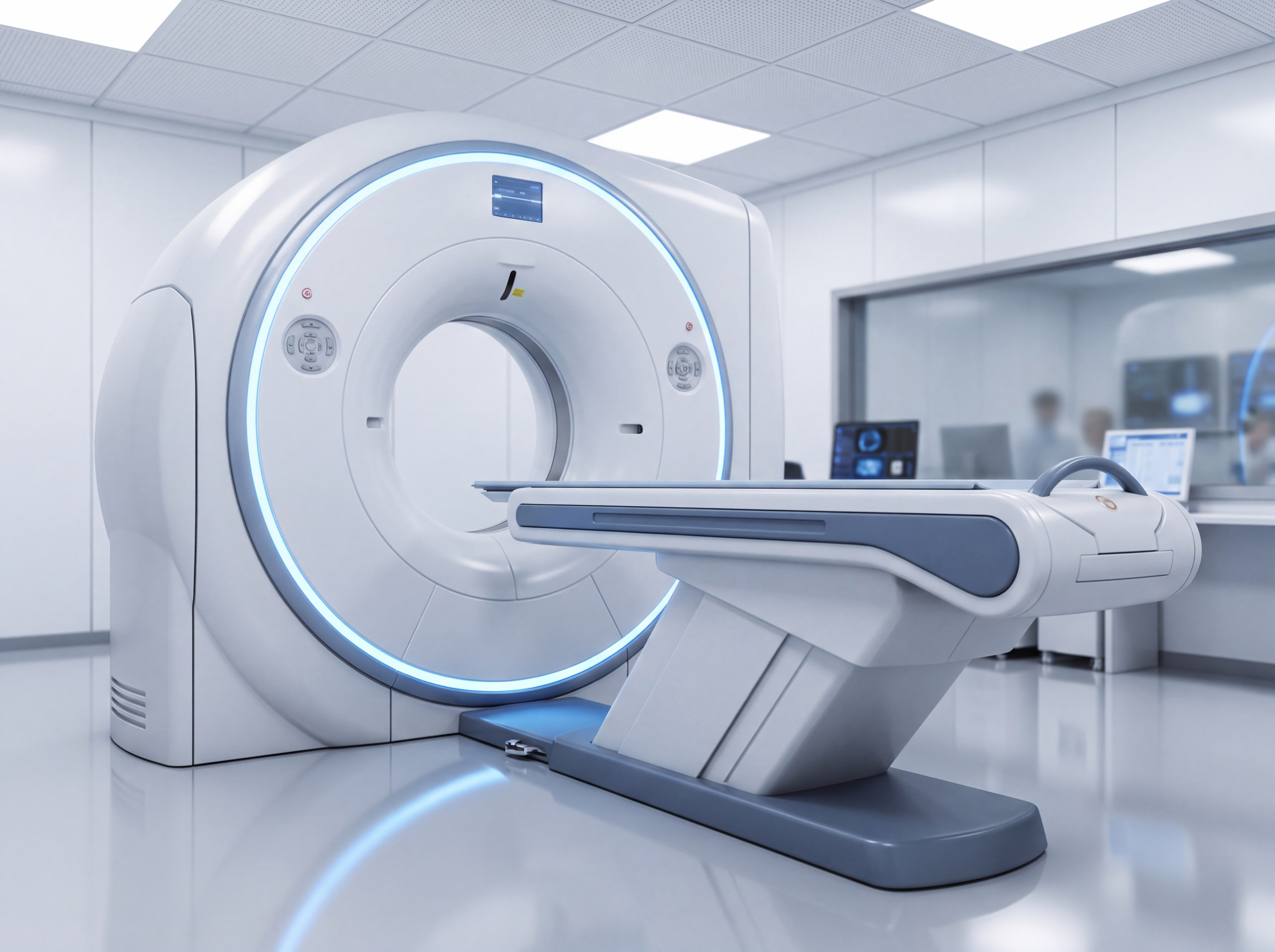
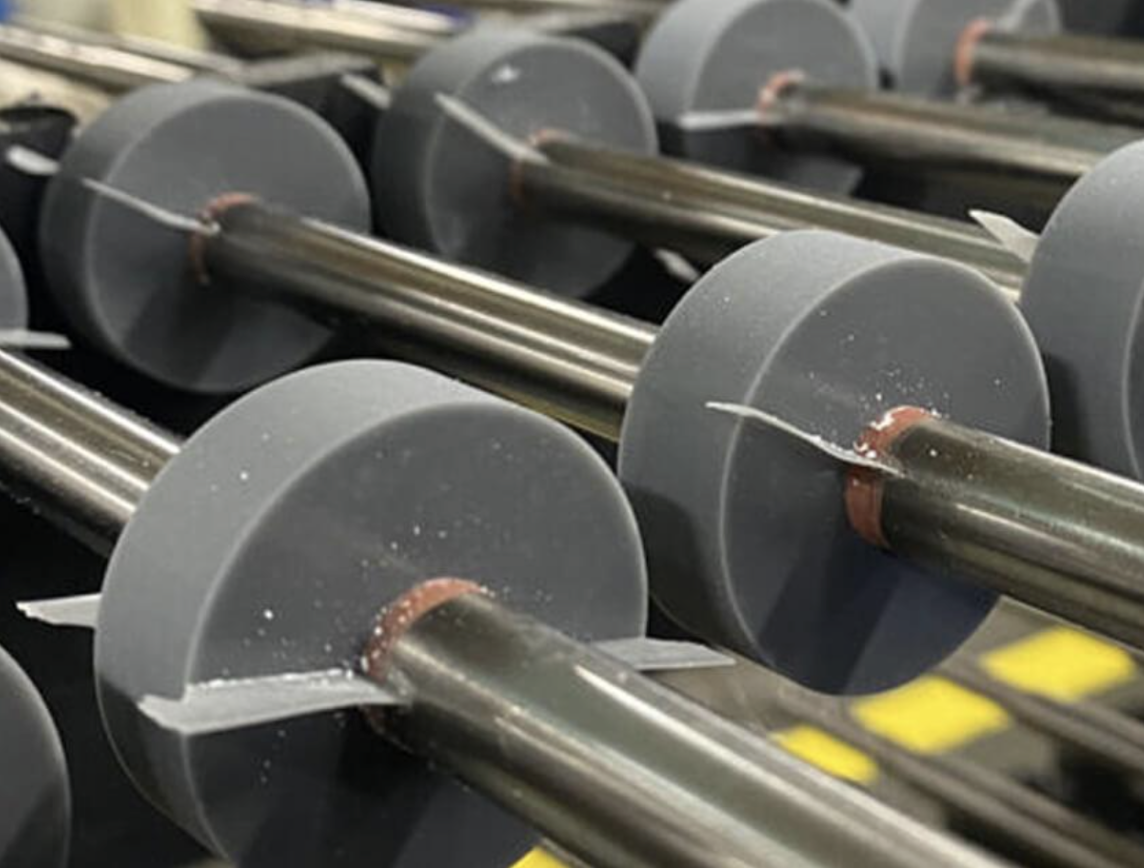
In a CT gantry, the sensor ring rides around the bore on rollers. MPC manufactures custom polyurethane rollers fine tuned to the needs of the application, so they wear slowly and run smoothly to extend system uptime.
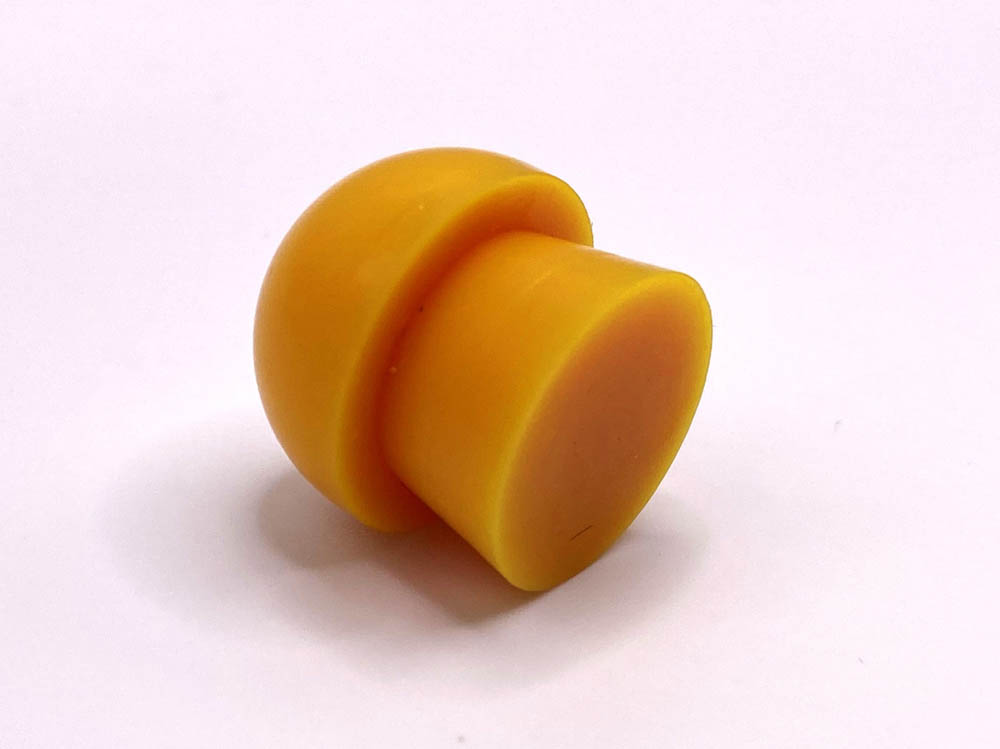
Bumpers take repeated impact and must protect without marking. MPC manufactures polyurethane bumpers customized to each system, and manufactures vibration and isolation mounts with low compression sets that hold their dampening properties over repeat use.
Cable strain reliefs flex constantly, and injection-molded plastics are prone to cracking. MPC manufactures polyurethane stress relief components that outperform plastics due to their robust physical properties, preventing cracks, damage to sensitive components, and system downtime.
Choosing Thermoset Polyurethane for Medical Device Design
Medical device designers weigh polyurethane against metal and plastic without much to compare them on. This white paper sets thermoset polyurethane beside both — on flexibility, customizability, molding options and biocompatibility — and walks through a mobile imaging case where a custom cast bumper stopped a retracting cord from damaging the machine.
Engineering Polyurethane Components for Heavy-Duty Applications
Modern automation pushes mechanical parts past what standard materials can handle. This white paper covers the material, process, and design choices behind heavy-duty polyurethane components for robotics and precision systems, so they hold up under continuous operation.
Engineering Urethane Wheels and Rollers for Robotics and Automation
Wheels and rollers are among the hardest-working parts in any automated system. This white paper walks engineers through designing them for load, wear, traction, and reliability in heavy-duty robotics, so they last instead of becoming the weak link.
Designing Robotic Systems for Shock, Vibration, and Impact
As robots move faster, shock and vibration – not just static strength – drive many failures. This white paper shows engineers how to improve reliability by managing impact energy across the whole system rather than simply building parts stronger.
What caster material stops flat-spotting on heavy imaging equipment that sits parked under load?
A low-compression-set cast polyurethane caster. In one case, MPC’s engineering team partnered with a leading imaging-OEM to fix a flat-spotting issue by developing a custom Durethane® S caster. The resulting product eliminated flat spots and extended component life to meet system requirements.
What vibration mount holds its dampening over time without taking a set and drifting?
A custom polyurethane mount with low compression set. MPC customizes the material properties to meet the complex requirements of your system, including dampening target, so it performs as designed over the lifecycle of the system.
What cord-protection or strain-relief part won't crack or fail like injection-molded plastic?
A cast polyurethane part. MPC’s proprietary thermoset polyurethanes can be customized to the complex combination of physical properties your system requires.
Can a mount be dual-durometer — stiff backing plus soft dampening — in one part?
Yes. MPC manufactures dual-durometer parts, combining a stiff structural backing with a soft dampening or contact surface in a single component, so one part delivers both the support and the dampening the system needs.
Can rollers and bumpers be made non-marking and wear-resistant for repeated motion?
Yes. MPC manufactures custom polyurethane components customized to the load and travel, so they resist wear and protect without marking.