High-cycle sealing (leak-test tooling, pumps, valves) must seal identically every cycle, but rubber tears and takes a compression set
High-pressure applications
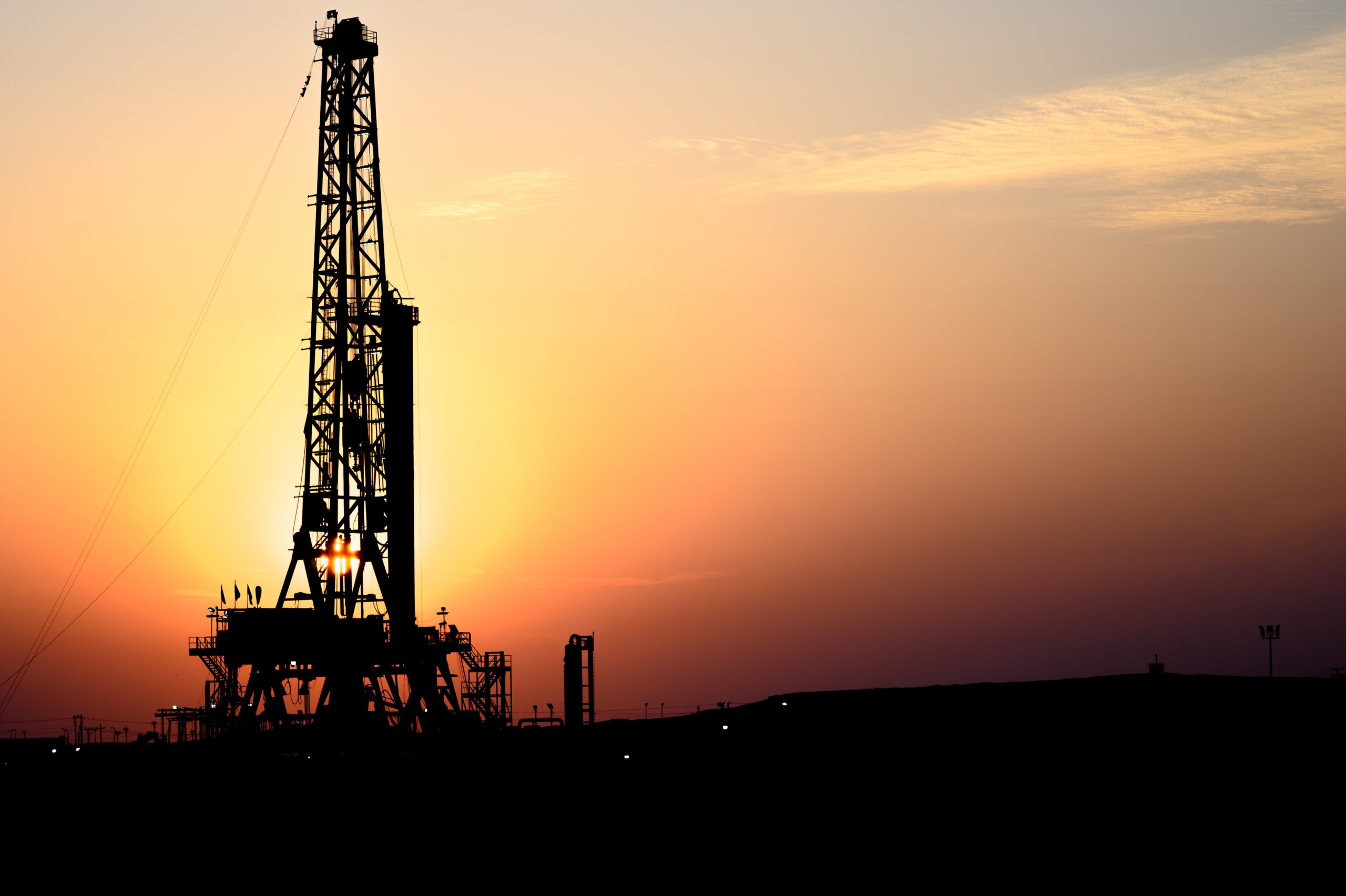
Downhole and other high-pressure sealing applications see pulsation and corrosive fluids, and rubber tears, loses strength
Chemical attack
Acids, oils, coolants and gases swell or degrade standard seal materials
Complex surfaces
The sealing surface is often a complex geometry a catalog seal cannot meet
Leak-test accuracy
Rubber-family seals are permeable to helium, raising background and false results on tracer-gas leak tests
Cost of failure
Leaks, false test results, downtime, and compliance risk
— The Differentiator
Where standard components fall short
Most engineers start with a rubber seal or a catalog polyurethane shape. Under pressure, corrosive chemicals or high cycle counts, each one falls short:
Silicone can tear at high cycle counts, and rubber can take a set and lose sealing force
Rubber can tear and extrude under high-pressures, and some materials hydrolyze in aggressive chemistries
Rubber seals are permeable to helium, which raises the background on tracer-gas leak tests
Standard materials can swell or soften against oils, coolants and aggressive chemistry
A catalog shape can’t match a complex profile or shape
None can be customized to the sealing surface, chemistry and cycle life the system requires, and stock suppliers offer no engineering support
— Solution Spotlights
The products that solve this problem
A seal fails in one of two ways: it loses sealing force, or it loses the fight with the fluid. MPC manufactures each element to the surface it seats against and customizes the chemistry, tear strength and compression set to meet the needs of your system.
Custom Seals & Gaskets
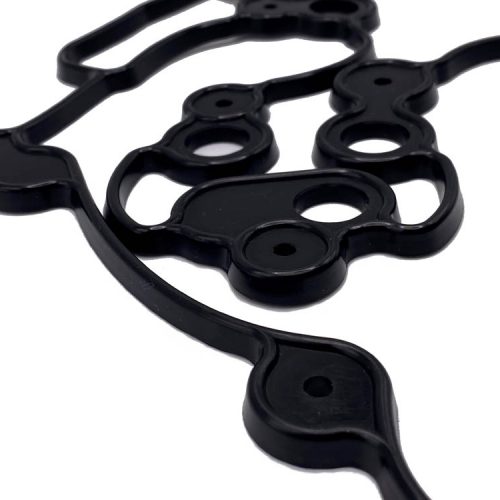
Seals, gaskets and sealing elements manufactured to the exact needs of an application, rather than a catalog shape that nearly fits. Higher tear strength and lower compression set than rubber hold sealing force cycle after cycle, and the formulation is customized to the environmental conditions in operation. On tracer-gas leak-test tooling, polyurethane’s tighter structure is less permeable to helium and other testing gasses than rubber, which keeps the background down.
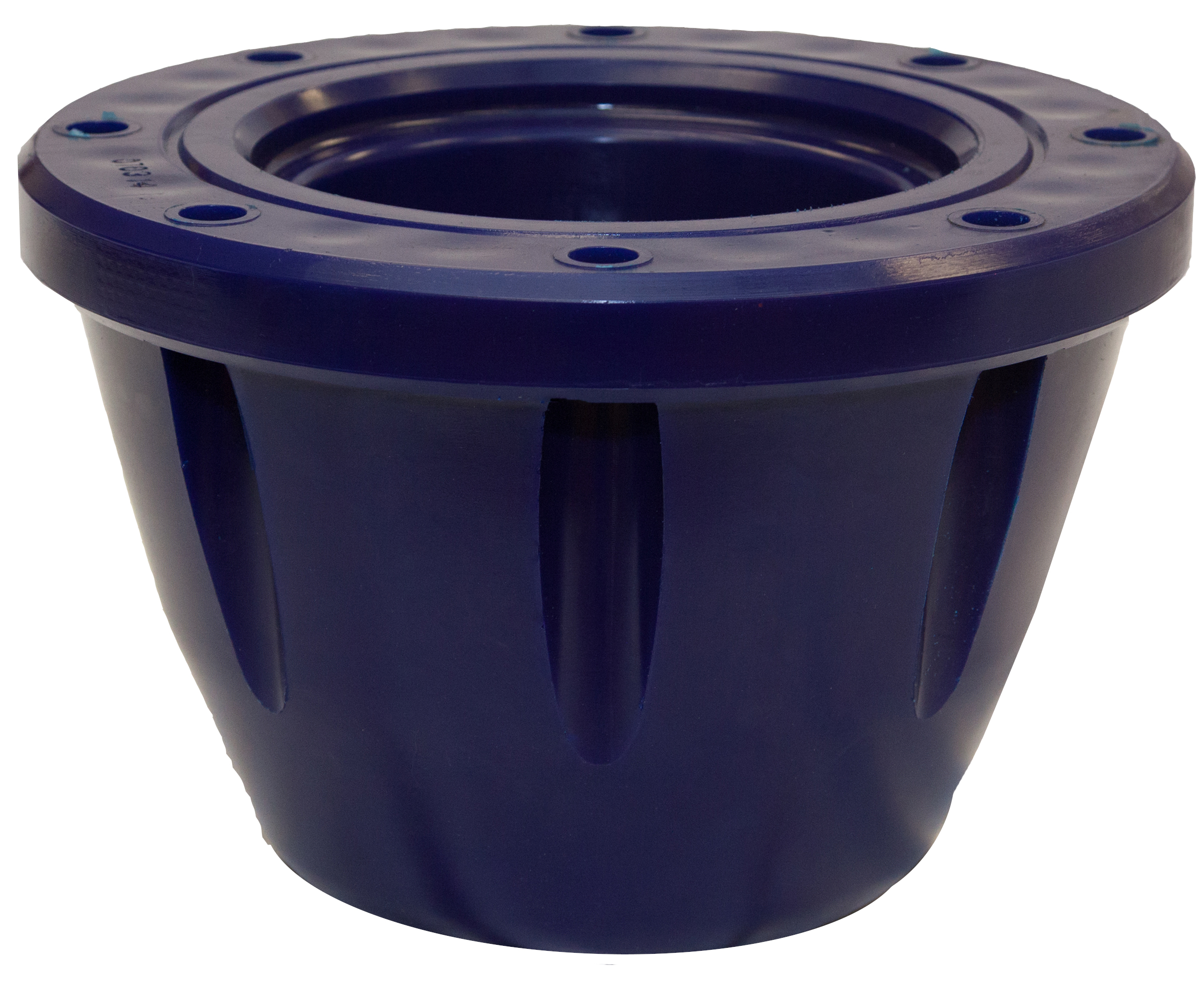
High-pressure downhole sealing elements manufacturedto resist the harsh forces that tear rubber sealing elements under pulsation and HPHT service. MPC molds the geometry to your specifications and customizes the formulation to meet the needs of your application, so the element holds up where rubber and catalog urethane wear out.
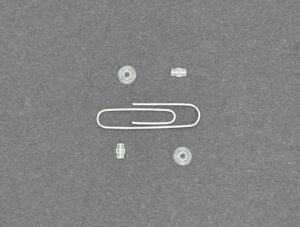
Small precision seals and O-rings micro-molded to complex geometries a catalog part can’t hold, with the tear strength and cycle life to seal repeatedly where silicone and rubber O-rings wear out.
The same containment problem shows up in any application where fluid, gas or pressure has to be held. For common examples of sealing solutions across different applications, check out the below industry pages:
Industry
The application
Automotive (leak testing)
Leak-test tooling seals for repeatable tracer-gas testing
Heat, aging, hydrolysis and chemical resistance (Durethane® XL)
• Shore 70A–90A • Tensile strength 3,000–5,000 PSI • Tear strength, Die C 225–375 PLI • Elongation 425–575% • Compression set 17–20%
Chemical exposure
• Thermoset polyurethane resists a wide range of chemicals and oils • Resistance depends on the specific polyurethane chemistry, operating temperature, aeration and length of exposure • MPC customizes the material to the fluids, pressure and temperature the seal actually sees
Customizable properties
• Hardness, elongation, tensile, tear and compression set are formulated to the part • Any shape component, or machined to precise specifications • Molded to the casting, port, bore or profile it seats against
Engineering Polyurethane Components for Heavy-Duty Applications
Modern automation pushes mechanical parts past what standard materials can handle. This white paper covers the material, process, and design choices behind heavy-duty polyurethane components for robotics and precision systems, so they hold up under continuous duty.
When off-the-shelf materials can’t hit every requirement at once, robotics engineers turn to custom formulation. This white paper explains how MPC tunes durometer, additives, and chemistry to resolve the competing demands of wear, stiffness, and environmental resistance in robotic systems.
What seal material holds sealing force cycle after cycle without the tearing of silicone or the compression set of rubber?
Custom cast polyurethane. It has far higher tear strength than silicone and lower compression set than rubber. Sealing force holds cycle after cycle and over the life of the part, where rubbers tear, take a set and drift.
What seal works best for repeatable helium or tracer-gas leak tests?
A cast polyurethane seal. Polyurethane’s tighter molecular structure is less permeable to helium than rubber, so it raises less background and supports a more repeatable tracer-gas test.
What seal resists high-temperatures and high-pressures where rubber tears?
Custom cast polyurethane customized for high-pressures and high-temperatures. It resists the forces that tear rubber sealing elements.
Can you mold a custom seal to my exact specifications?
Yes. MPC manufactures seals and gaskets to your exact specifications, so it seats consistently where a catalog seal shape can’t match the sealing surface.