Load-bearing rubber or plastic wheels and casters can take a set when parked under load, adding vibration, noise and lost traction
Tread debonding
Injection-molded plastic wheels or rollers can debond from their metal cores under sustained load
Drive-wheel slip
Drive wheels need traction and dimensional stability at speed without slipping or marking
Noise and vibration
Roller-guide and ride-quality parts must run quiet and without vibration, since any noise or play result is system failures
Rising push-pull force
Continuous-duty wheels and rollers wear and raise push-pull force, noise and maintenance
Catalog parts don’t fit
Each application needs its own durometer, geometry and traction
— The Differentiator
Where standard wheels and rollers fall short
The usual answers are rubber, plastic, or metal wheels and rollers – nearly always catalog parts. In high-performance systems, they each fall short:
Rubber and plastic flat-spot when parked, then squeak and lose roundness
Plastic treads can debond from the core and drop units out of service
Plastic and metal rollers run loud, grip poorly and mark the riding surface
Worn wheels raise push-pull force, impacting system performance
None can be customized to the load, durometer, traction and geometry required, and stock suppliers offer no engineering support
— Solution Spotlights
How MPC solves it | The products that solve this problem
Rolling components are critical to a system’s motion control and performance. For complex applications where components experience tough forces, harsh chemistries, or constant wear, MPC manufactures custom components to keep your systems in service.
Custom Wheels & Casters
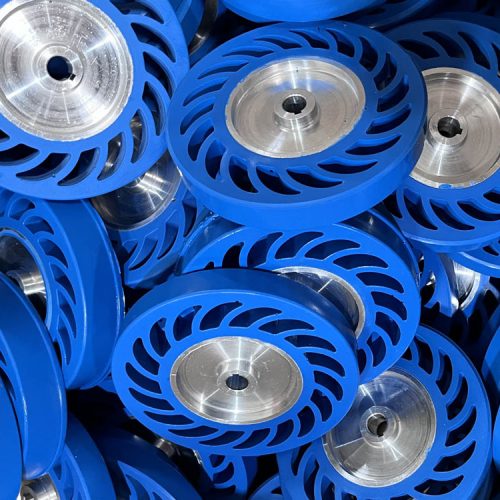
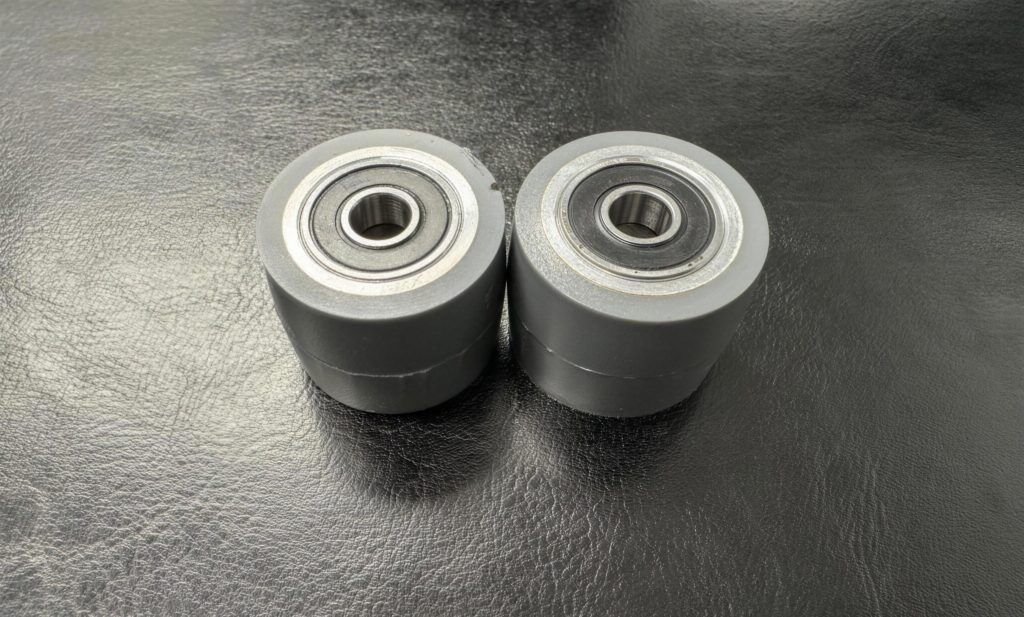
Load-bearing wheels and casters cast in custom-durometer polyurethane with low compression set, so they don’t flat-spot when parked and roll quiet and non-marking. The urethane can be bonded to a metal core so it doesn’t debond like injection-molded plastics. Dual-durometer construction adds a soft contact surface over a hard core where needed, and conductive polyurethane control static buildup for ESD applications.
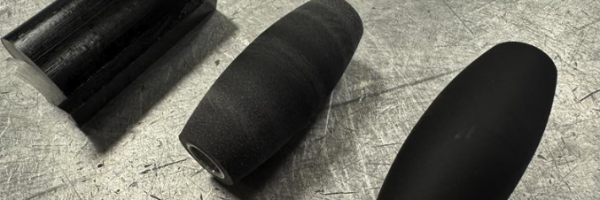
Drive, transport and roller-guide rollers manufactured to the traction, durometer and dampening the system needs. Bonded to steel cores and machined to tight tolerances, they run quiet without vibration where rubber can take a set and goes out of round.
A continuous-duty robotics automation line was losing rollers to flat-spotting and lost dimensional stability under sustained load and start-stop cycling. Plastic and rubber rollers couldn’t hold up.
WHAT MPC DID
MPC cast a custom roller with optimized compressive strength and low compression set, bonded to a steel core and machined to tight tolerances.
Reduced vibration and fewer unplanned maintenance events
2×
Roller service life
The OEM standardized it
Across multiple platforms
— Industry Applications
Where this problem shows up
The same rolling problem shows up in any application where a machine or system carries a load. For common examples of motion transfer and rolling solutions across different applications, check out the below industry pages:
Industry
The application
AMR & Warehouse Automation
High-load drive and caster wheels for continuous 24/7 duty
Automation OEM Launches Cleanroom Robotics On Schedule
An automation OEM needed cleanroom-rated wheels that were also tough enough to last. This case study shows how MPC developed a custom conductive wheel that met the ISO cleanliness requirements with extended wear life and validated the part in time to keep the customer’s launch on schedule.
Robotics OEM Extends Roller Life Under Heavy Loads
A robotics OEM was losing rollers prematurely under heavy, continuous loads. This case study shows how MPC’s heavy-load cast roller stood up to the punishment and extended service life, cutting the premature failures that were driving downtime.
Engineering Urethane Wheels and Rollers for Robotics and Automation
Wheels and rollers are among the hardest-working parts in any automated system. This white paper walks engineers through designing them for load, wear, traction, and reliability in heavy-duty robotics, so they last instead of becoming the weak link.
Engineering Polyurethane Components for Heavy-Duty Applications
Modern automation pushes mechanical parts past what standard materials can handle. This white paper covers the material, process, and design choices behind heavy-duty polyurethane components for robotics and precision systems, so they hold up under continuous duty.
What wheel or caster material stops flat-spotting and goes the distance under continuous load?
Custom cast polyurethane with low compression set. MPC customizes the durometer and compression set so a loaded wheel that sits parked doesn’t take a set, and it outlasts rubber and plastic under continuous rolling.
How do I keep the tread from debonding from the metal core under sustained load?
Cast the tread directly onto the core so it chemically bonds during cure. MPC’s bond is stronger than the polyurethane itself, so the part wears down rather than separating from the core.
What rolls quieter and lasts longer than rubber or plastic for roller-guide or ride-quality parts?
Custom cast polyurethane customized for dampening. It runs quiet and low-vibration and holds its shape where rubber takes a set and goes out of round, so ride quality and wear life both improve.
What lowers push-pull force and noise on continuous-duty wheels?
A custom wheel customized to the load and duty. Cast polyurethane that resists flat-spotting and wear keeps rolling resistance low, so push-pull force, noise and maintenance stay down over a long service life.