
Polyurethane foams can be found everywhere, from spray foam insulation down to your favorite electronic devices. In particular, thermoset polyurethane foams can be customized into any shape, product, or component with an endless array of specifiable physical properties. Depending on the preferred cellular structure, this unique material can be engineered into two types of foam: open cell or closed cell. To learn more about thermoset polyurethane foams, click here. While both types of foam can fit into a variety of applications, it is important to understand their differences. In this post, we will compare the advantages and disadvantages of using closed cell foams in your product design.
What is Closed Cell Foam?
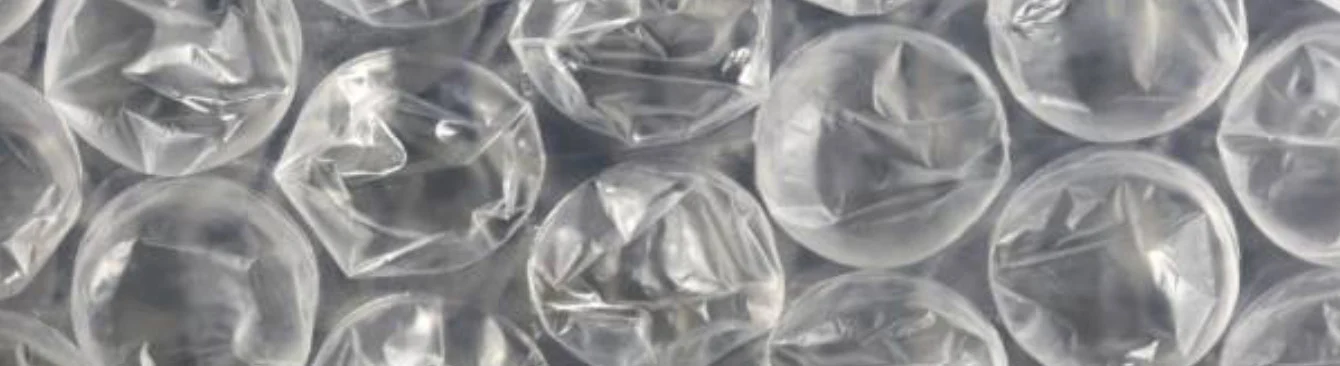
Closed cell foams are typically engineered through high pressured blowing agents, such as gas, generating thousands of tiny bubbles throughout the material’s liquid mixture. As a result, the walls of the material forms an embedded cellular structure once cured, similar to the construction of bubble wrap. As demonstrated in the picture to your left, the bubble wrap has individual pockets of gas trapped inside each wall. Because of this, closed cell foams are considered to be less permeable, more durable, and can withstand greater pressure when compared to open cell foams.
Should You Choose Closed Cell Foams?
There are several factors to consider when incorporating closed cell foams into your product design. Although this type of material can often be found in marine, shock absorption, and paper & material handling applications, closed cell foams can be used in a wide range of applications, depending on the desired physical properties needed for optimal performance. As an example, the table below demonstrates several pros and cons to consider when using closed cells foams in your product design:
| Closed Cell Foam PROS | Closed Cell Foam CONS |
|
|
|
|
|
|
|
|
|