
Polyurethane Belts
Grip, cycle count and precision defeat rubber and plastic belting. Custom-engineered polyurethane belts hold their grip.
— The Recurring Problems
Grip drift
Rubber wears and hardens, so the coefficient of friction drifts, which can cause slip, mistracking and misfeeds
Stretch
Plastic and rubber belts stretch and take a set under tension, losing tracking and forcing re-tensioning or replacement
Marking
Standard belt materials can scuff, mark or contaminate delicate or premium media, which drives scrap
No custom build
Off-the-shelf belting can’t provide the cleats, profiles, multi-layer construction or conductivity some lines need
Environment
Abrasion, chemicals, washdown and temperature degrade standard belt materials
Line stops
When the belt slips, stretches or wears, the system misfeeds, mistracks, jams or scraps product
— The Differentiator
Where standard components fall short
Most engineers start with off-the-shelf rubber or plastic belting, a standard catalog belt, or fabric-reinforced belting. Each one falls short:
- Rubber wears and hardens, so grip and the coefficient of friction can drift, causing slip and mistracking
- Plastic and rubber belts can stretch and take a set under tension, losing tracking and forcing re-tensioning or replacement
- Standard belt materials can mark or contaminate delicate or premium media, and chemicals, washdown and temperature degrade them
- Off-the-shelf belting can’t provide custom cleats, profiles, multi-layer construction or conductivity
- None can be customized to the combination of grip, hardness, construction and conductivity the system requires, and stock suppliers offer no engineering support
— How MPC solves it
How MPC solves it
A belt built around the application, not a catalog
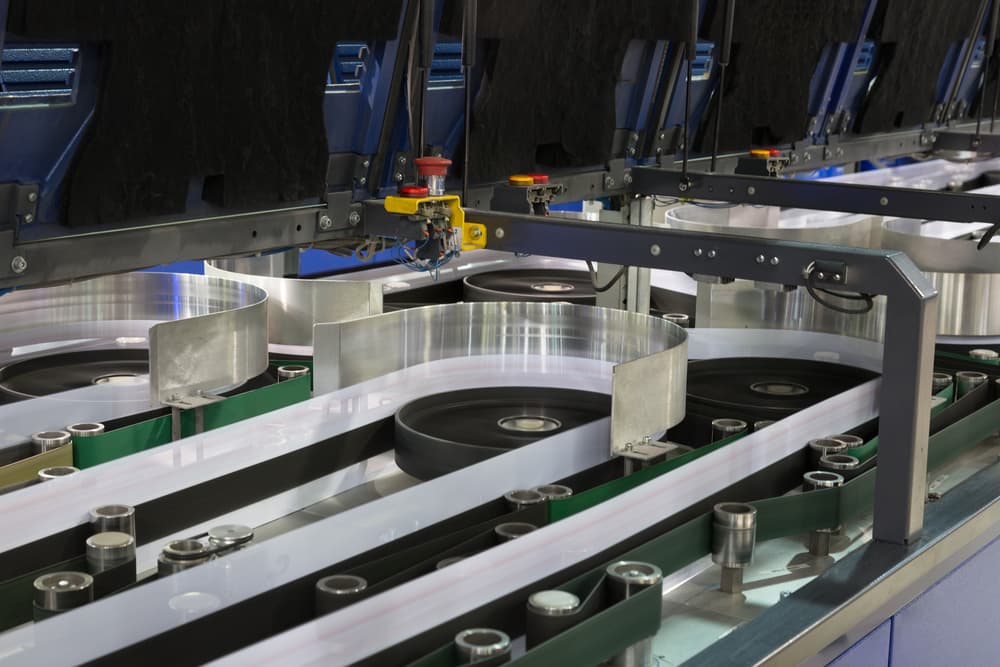
Every MPC belt is custom-engineered. MPC manufactures each belt from a polyurethane formulation and construction customized to the application, so the belt grips at the coefficient of friction the media needs and holds it as the belt wears. Multi-layer construction, cleats, profiles and hardness zones are capabilities MPC brings in as the design calls for them, not a fixed belt-type catalog.

Talk it through with a polyurethane expert who’ll tell you what’s achievable and what is not.
— featured case study
Custom Three-Layer Belt Handles Delicate Media at Over a Million Cycles a Day
A high-speed system moving highly delicate media needed a precise coefficient of friction, conformability to surface imperfections and abrasion resistance at once, which off-the-shelf belting could not hold together.
A high-speed system transporting highly delicate media over 1,000,000-plus cycles a day needed a precise coefficient of friction to grip without damage, conformability to surface imperfections, and abrasion resistance.
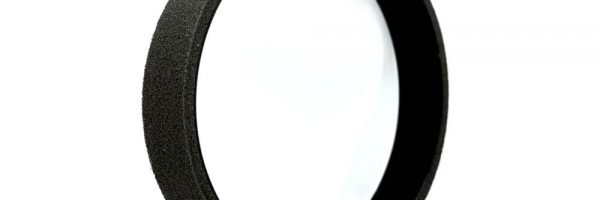
MPC manufactured a custom three-layer belt: a closed-cell foam contact layer for gentle handling, a soft solid drive layer, and a reinforced anti-stretch core, in a single belt.
THE RESULT
Reliability at over a million cycles a day
Maintenance
— Technical Specifications
The specs that matter
Property
Range for this solution
Hardness
ASTM D2240
• Shore 20A–70D — solid polyurethane
• Customized per part
Mechanical properties (Durethane® S)
• Tensile strength 250–7,800 PSI
• Tear strength, Die C 30–800 PLI
• Elongation 160–850%
• Compression set 5–40%
Volume resistivity (Durethane® C)
• High abrasion resistance with tolerance to tight surface finishes
Customizable properties
• Hardness, tensile, tear and compression set are formulated to the part
• Cleats, profiles and tracking features cast in
• Single or multi-layer construction, including a reinforced anti-stretch core and a foam contact layer
Relevant technical downloads
Document
What it gives the engineer
Conductive Polyurethane (Durethane® C) Tech Specs
Conductive polyurethane material specifications, including the volume resistivity range.
Conductive Polyurethane: Technology Overview
In-depth overview of MPC’s patented metal salts technology, which provides stable volume resistivity as the part wears.
Solid polyurethane material specifications: hardness 20A–70D with tensile, elongation, tear and
Chemical Resistance Guide
General chemical resistance guideline for MPC’s thermoset polyurethanes.
— Industry highlights
Where this product works
MPC belts show up anywhere a high-cycle line has to convey or drive material precisely. These are some common examples from a wide range of industries:
Custom belts that grip and convey delicate or continuous material without slipping or marking.
Coefficient-of-friction-customized belts for the drive and media path.
Cleated and washdown belts made from FDA-compliant formulations (compliance at the system level).
— HOW IT WORKS
From concept to scaled production
Connect With Us
Share your application, performance needs, or a part you want to improve.
Collaborate on Design
Our engineers will help optimize materials and geometry for manufacturability.
Prototype & Refine
We produce samples using our proprietary polyurethane formulations for testing.
Move to Production
Once approved, we move to scalable molding with full quality assurance.
That’s exactly the conversation we like to have – get a polyurethane expert on a quick call to pressure-test your idea before you commit.
— PROOF
White papers
White Papers
Engineering Polyurethane Components for Heavy-Duty Applications
Modern automation pushes mechanical parts past what standard materials can handle. This white paper covers the material, process, and design choices behind heavy-duty polyurethane components for robotics and precision systems, so they hold up under continuous duty.
Custom Urethane Coefficient of Friction for Reliable Document Handling
Cash machines and kiosks jam when worn rubber feed belts lose their grip on the media. This white paper shows how MPC engineered a multi-layer urethane belt with the coefficient of friction customized to the media, virtually eliminating the misfeeds that drive costly field failures.
Engineering Urethane Wheels and Rollers for Robotics and Automation
Wheels and rollers are among the hardest-working parts in any automated system. This white paper walks engineers through designing them for load, wear, traction, and reliability in heavy-duty robotics, so they last instead of becoming the weak link.
— Design Guide
How to specify a custom polyurethane belt
— FAQ
Frequently Asked Questions
What belt material grips at a consistent coefficient of friction without marking delicate media?
A custom polyurethane belt. MPC customizes the coefficient of friction to the media so the belt drives or conveys without slipping, and it holds that grip as it wears where rubber glazes and drifts, with non-marking contact surfaces for delicate media.
What outlasts rubber and plastic belts that stretch, take a set and lose tracking?
Thermoset polyurethane. It resists the stretch and set that make rubber and plastic belts lose tracking, and a reinforced anti-stretch core holds tension, so the belt tracks longer and needs less re-tensioning.
Can you build a multi-layer belt (foam contact layer, drive layer, anti-stretch core) for delicate high-speed handling?
Yes. MPC manufactures multi-layer belts, for example a closed-cell foam contact layer, a soft solid drive layer and a reinforced anti-stretch core in a single belt, customized to the media and the line.
Can belts be food-safe, cleanroom-clean or static-dissipative?
MPC offers FDA-compliant polyurethane formulations that can be used to make belts, plus clean, low-particulation constructions and static-dissipative polyurethane (Durethane® C) for ESD-sensitive lines.
Do you make standard or catalog belts, or is every belt custom?
Every MPC belt is custom-engineered. There is no off-the-shelf catalog belt; each one is customized to the coefficient of friction, hardness, construction and conductivity the application needs.
Can you add cleats, profiles or specific hardness zones to a belt?
Yes. MPC builds cleats, profiles and specific hardness zones into the belt, and brings in multi-layer construction as the design calls for it, so the belt does exactly what the line needs.
— Keep Exploring