

Flame resistance is a key physical property often found in many applications where fire may be an issue. In this post, we will break down the importance of flame resistance and how you can use it in your product design.
What Is Flame Resistance
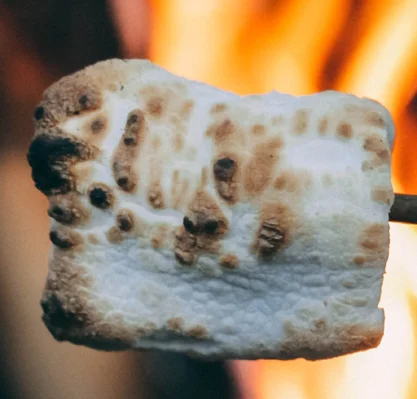
Flame resistance is a material’s ability to withstand the presence of a flame for a period of time. The longer a product is exposed directly to a flame, it is likely to melt or burn – similar to roasting marshmallows on an open fire. Marshmallows’ unique chemistry makes this tasty treat exhibit low flame resistance and deteriorates quickly when roasting.
How to Measure Flame Resistance
Flame resistance ratings are usually calculated by the amount of time it takes before a material combusts while exposed to a controlled flame. This process typically involves introducing a material specimen under a small flame to determine its fire response characteristics. For accurate results product designers can reference several standard flammability tests and certifications based on the regulatory environments for specific products. UL 94 is one of the most widely used flammability tests that provide different ratings for different materials. The results of these tests are used as an indication of a material’s suitability for a particular application.
Is Polyurethane Flame Resistant
Most synthetic plastics, such as injection-molded ABS, are naturally flammable materials and can deteriorate quickly, like the marshmallows mentioned above. However, polyurethanes have the ability to offer product designers improved flame resistance through custom formulations. Due to their unique chemical structure thermoset polyurethanes can meet the most demanding flame resistance requirements. For example, some of our high-performing Durethane R materials feature a UL94-V0 fire rating.
How to Use Flame Resistance in Your Design
When considering flame resistance in your design, it is important to understand the regulatory environment for your product, along with its performance requirements. Moreover, the function or purpose of your product will dictate the level of flame resistance required. This information can help guide you and your polyurethane manufacturing partner in selecting the appropriate material. The higher the flame resistance, the less likely the material will combust when exposed to a flame, whereas low flame resistance can potentially lead to the material deteriorating under this exposure. Flame resistance plays an important role in a variety of applications, including o medical devices, paper & media handling, and military & defense.