
Looking for the Perfect Look and Feel? Discover the Surface Finishes That Can Elevate Your Custom Molded Products.
Selecting the right surface finish for your molded product goes beyond aesthetics—it’s about optimizing both performance and visual appeal. Whether you need a sleek, smooth finish or a textured surface for improved grip, MPC offers a variety of customizable options to match your design needs.
In This Post:
- Explore different types of surface finishes—from painted to textured.
- Learn how finishes impact aesthetics and performance.
- Find out which finishes work best for polyurethanes vs. other materials.
Aesthetics & Performance: What to Consider First
When choosing a surface finish for molded products, there are two key factors to consider early in your design stage – aesthetics and performance. The finish you choose can completely change how your product looks and feels. For example, smooth and glossy finishes can create a high-end appearance, while textured surfaces can improve grip or hide imperfections.
But the right finish isn’t just about looks – it can also impact functionality. For products exposed to harsh environments, finishes that provide abrasion resistance, chemical protection, or UV shielding can extend their lifespan and improve performance. Deciding early in the design process which factors are most important will help you select the ideal finish.
Painted vs. Textured Finishes: What's the Difference?
There are two main types of surface finishes for molded products: painted finishes and textured finishes. Each offers its own set of benefits, depending on your product’s design needs.
Painted Finishes
Painted surfaces can range from vibrant colors to protective coatings that enhance both appearance and function. With polyurethanes, paint bonds well, offering more design freedom and a variety of techniques like:
- Pad printing
- Silk screening
- Spray painting
- In-mold painting
Advantages of painted finishes include:
- Custom colors to enhance product branding
- Protection against UV, chemicals, and abrasion
- Electrical shielding with specialty paints
If you’re looking to create a visually striking product with added protection, a painted finish could be the right choice.
Textured Finishes
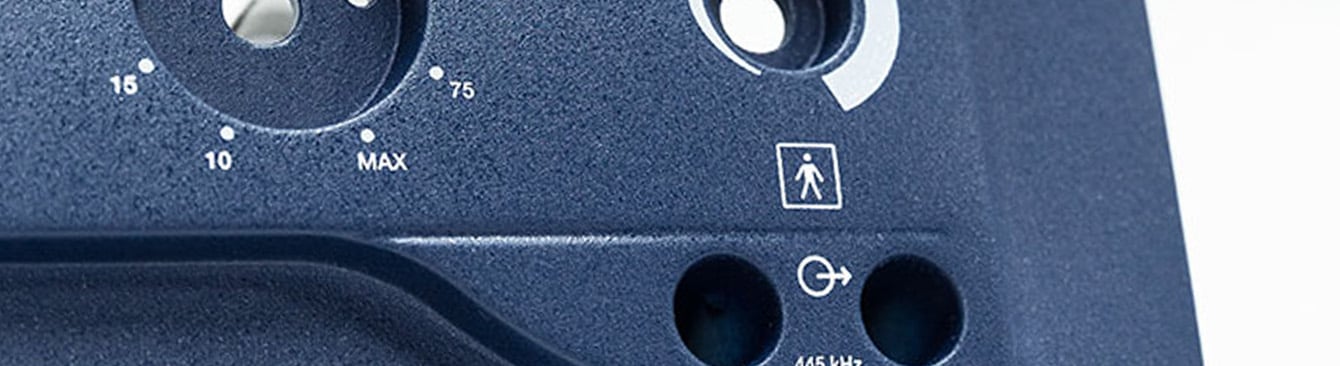
Textured finishes, on the other hand, provide functional benefits like improved grip, scratch resistance, and the ability to mask fingerprints or replicate other materials. Common methods include:
- In-mold texturing
- Manual etching
- Sandblasting
- Specialty grains and polishing
Advantages of textured finishes include:
- Enhanced grip and usability
- The ability to replicate the look of other materials
- A way to hide imperfections or create a unique tactile feel
Choosing the Right Surface Finish for Your Application
When selecting a surface finish for your product, it’s essential to think about the environment your product will be used in. Will it be exposed to heat, chemicals, or outdoor conditions? Does it need a grip-friendly surface or a sleek, polished look? Here are some considerations for different finishes:
- Painted Finishes – Best for products that need vivid colors, protection from the elements, or aesthetic customization.
- Textured Finishes – Ideal for products that require extra grip, resistance to wear and tear, or a more rugged look.
- Combination Finishes – Use both painted and textured finishes for applications that demand both durability and style.