
MPC Knowledge Center
Deep Dive into Polyurethane
Learn all about product design using polyurethanes.
- Polyurethane Properties
The short answer is yes, to a certain degree. There are several factors that make some polyurethanes more absorbent than others. Depending on the physical properties and material, thermoset polyurethanes can practically
- Polyurethane Properties
One of many common questions we often receive from product designers is “What temperature range can polyurethane withstand?”. Depending on the chemistry, thermoset polyurethanes can typically withstand a wide range of temperatures,

- Polyurethane Properties
Ever find yourself making repairs due to wear and tear? If so, you may need a material that is more resistant to abrasion. Abrasion resistance is a process in which a material
- Polyurethane Conductivity, Polyurethane Properties
Due to their chemical compositions, most elastomers, including rubbers, polyurethanes, and silicones, are natural insulators. Electrical conductivity can be improved in these materials by including conductive additives in the material’s manufacturing process.
- Polyurethane Applications, Polyurethane Versus
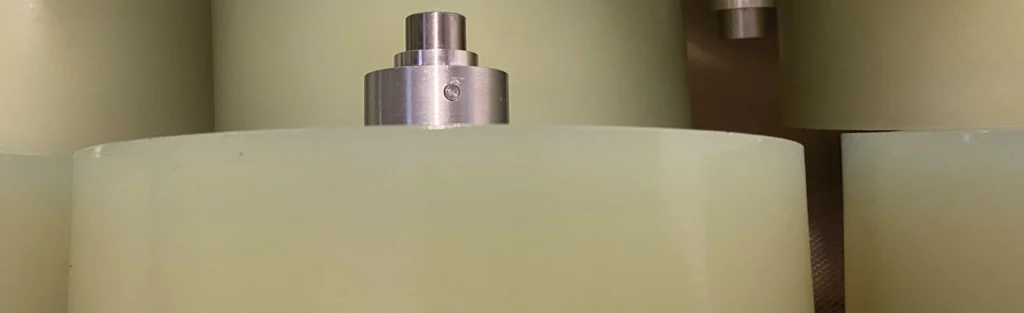
When your equipment faces extreme conditions, off-the-shelf solutions simply won’t cut it. At MPC, we specialize in manufacturing custom polyurethane rollers tailored to your exact design specifications. Engineered to handle intense pressure,
- Polyurethane Versus
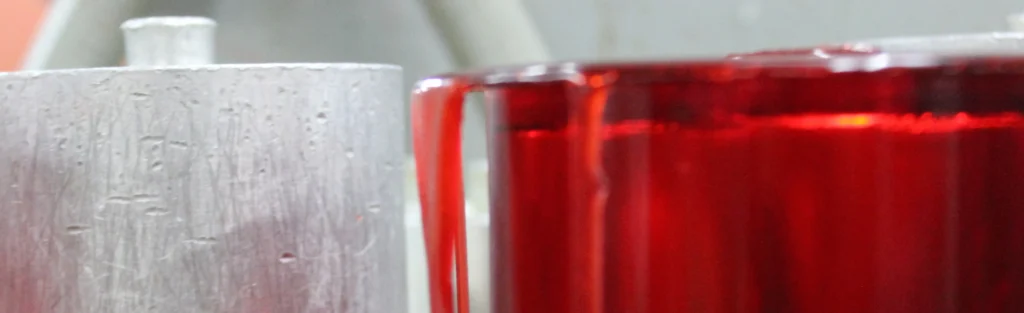
When selecting rollers for your application, choosing between polyurethane and metal can significantly affect performance and longevity. While metal rollers have traditionally been used in heavy-duty applications, polyurethane rollers are becoming the
- Polyurethane Applications, Polyurethane Basics
- Polyurethane Properties
- Polyurethane Versus
- Polyurethane Versus
- Polyurethane Properties
- Polyurethane Conductivity
Do you have a general question or need more information? Send us a message and our team will get back to you shortly.
Viewing 19-24 of 147